
Admission Enquiry Form
for UG/PG : admissions@dsuniversity.ac.in , for Ph.D : admissions.research@dsuniversity.ac.in
Helpline : +91 63841 76766 | 63841 76769

Admission Enquiry Form
for UG/PG : admissions@dsuniversity.ac.in , for Ph.D : admissions.research@dsuniversity.ac.in
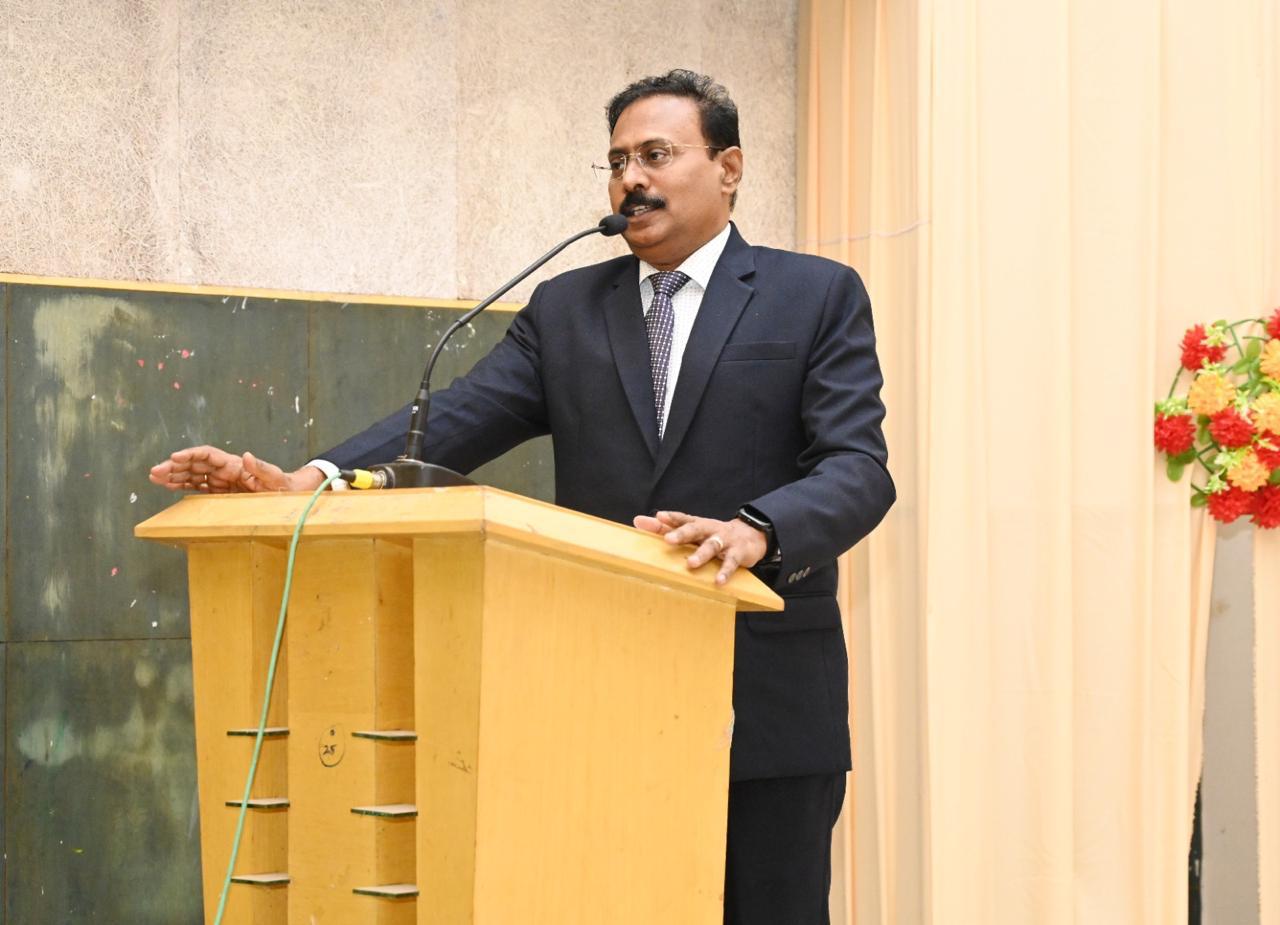
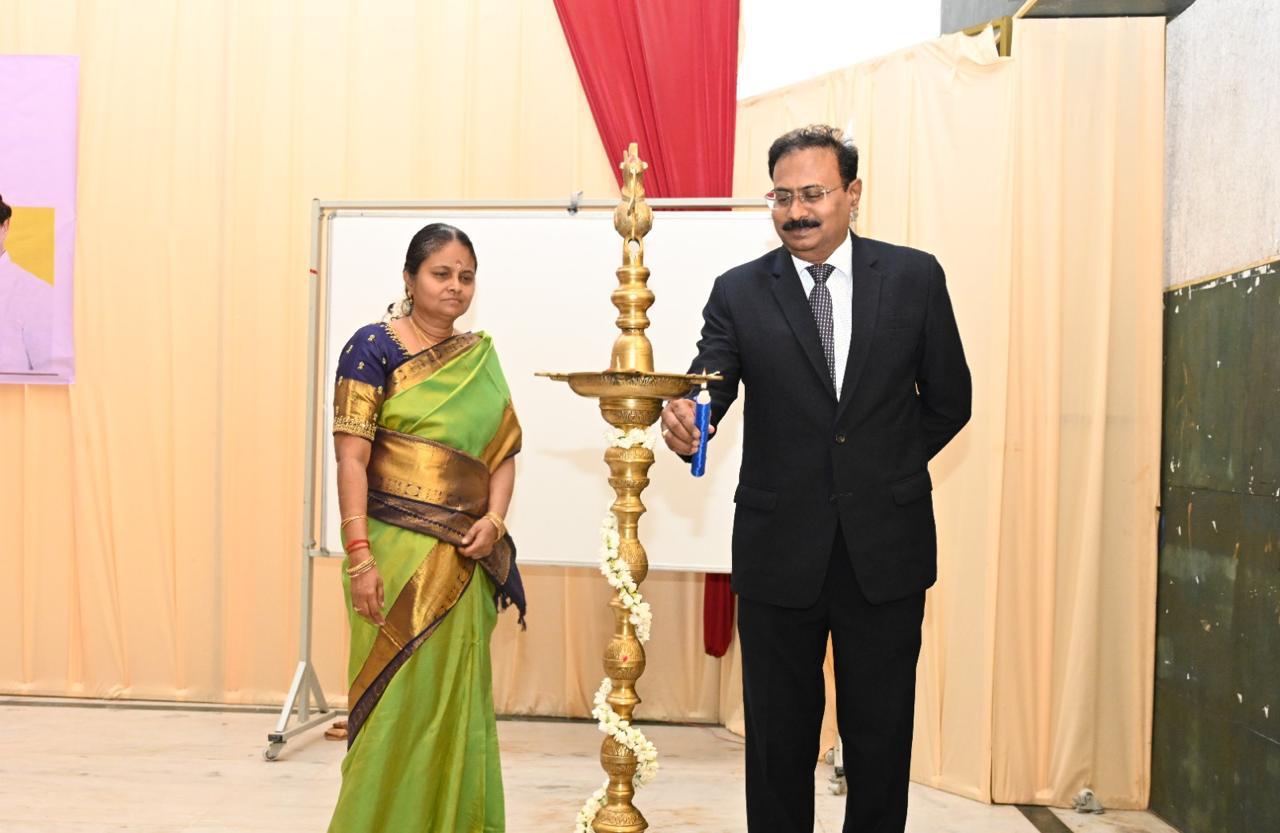
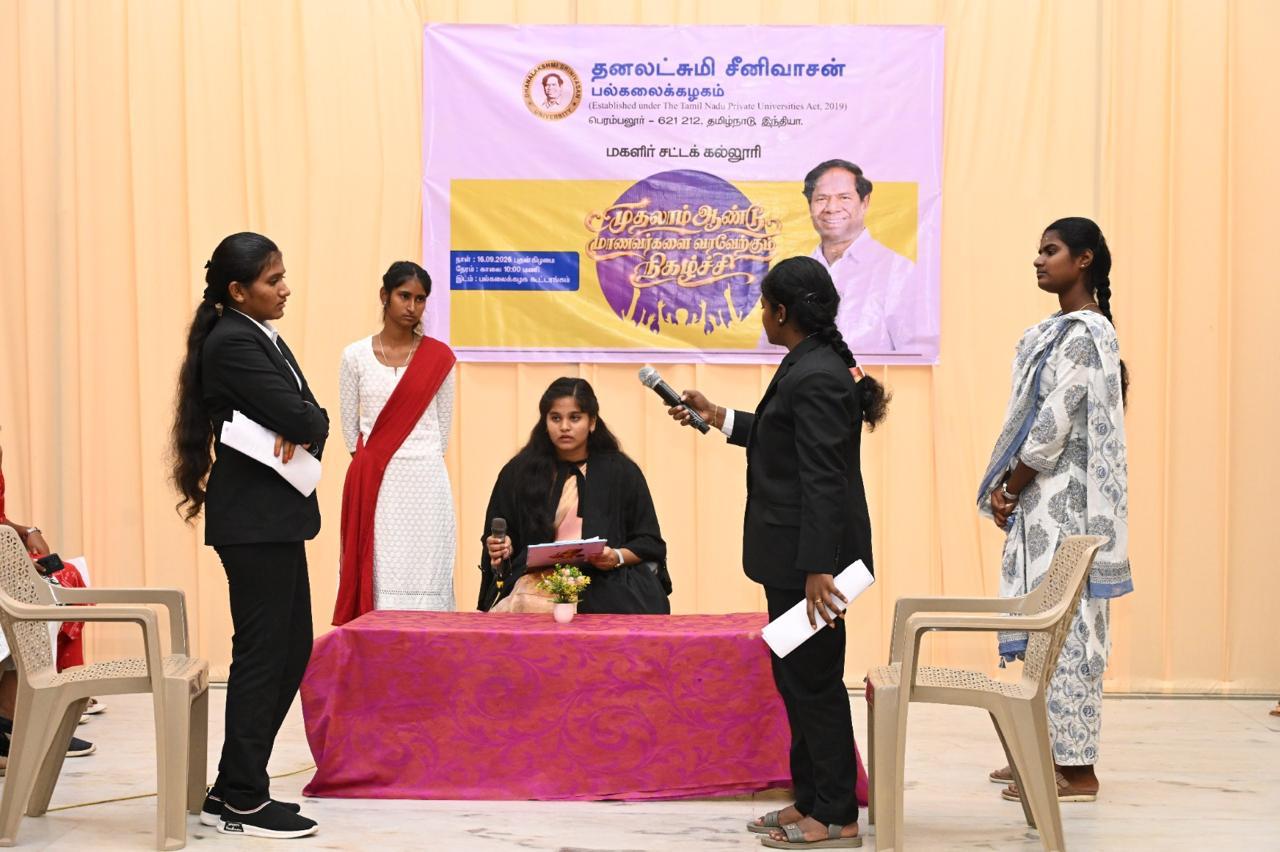
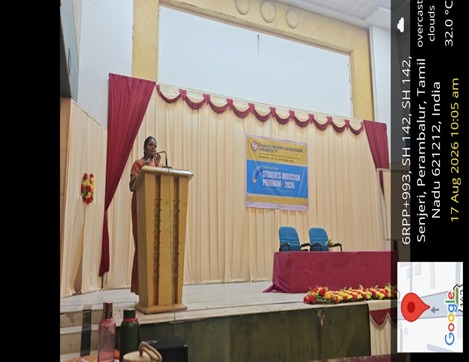
Helpline : +91 63841 76766 | 63841 76769With the blessings of our esteemed chancellor Ayya, School of Law conducted fresher’s day celebration today on 16.9.26.
Registrar. Dr.S.M.Balakrishnan, Tamilnadu National Law University, Trichy as the Chief Guest of the function delivered a motivational speech for the students for developing the advocacy skills and academic development. The students showcase their talents in music, devotional Dance and other cultural performances on this day of fresher’s day celebration. The program went on well by motivation to the students for their career development
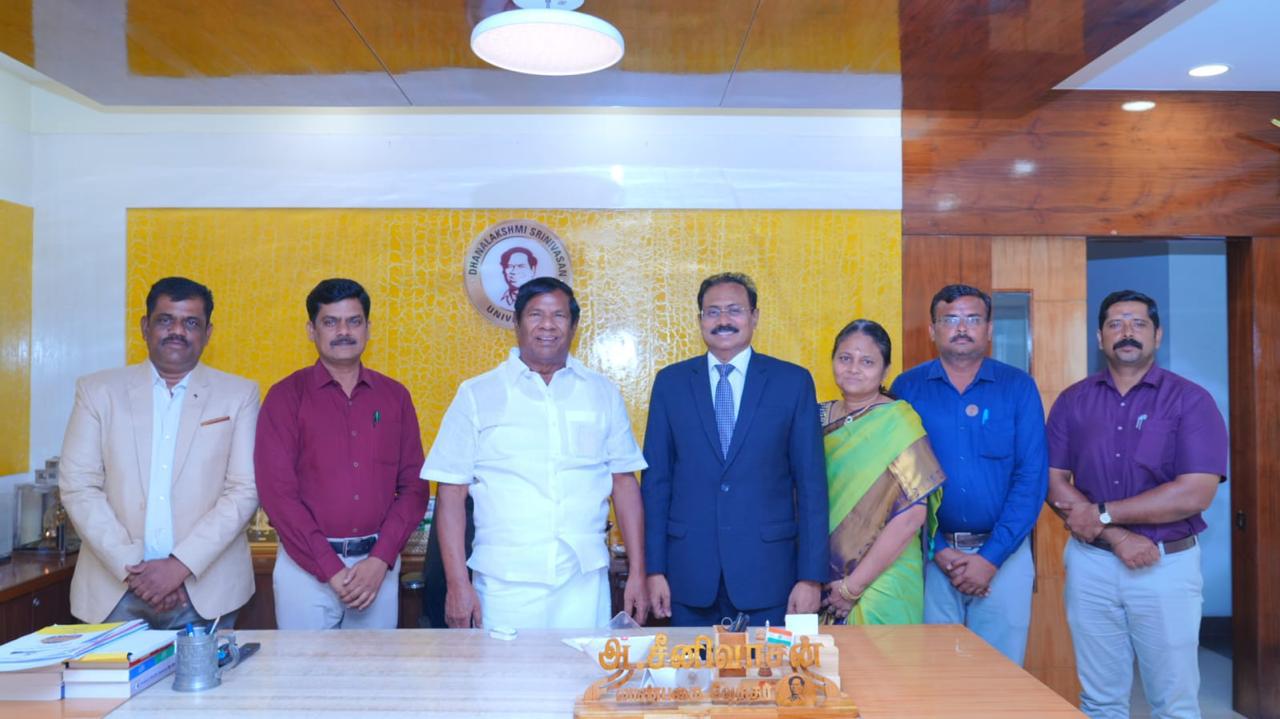
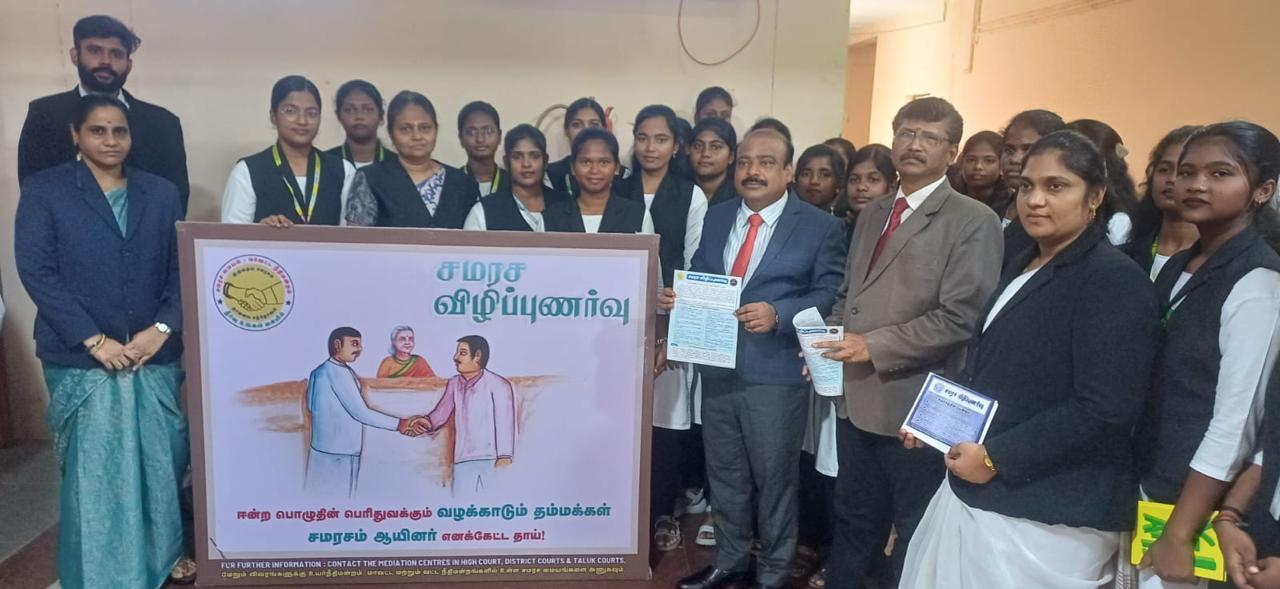
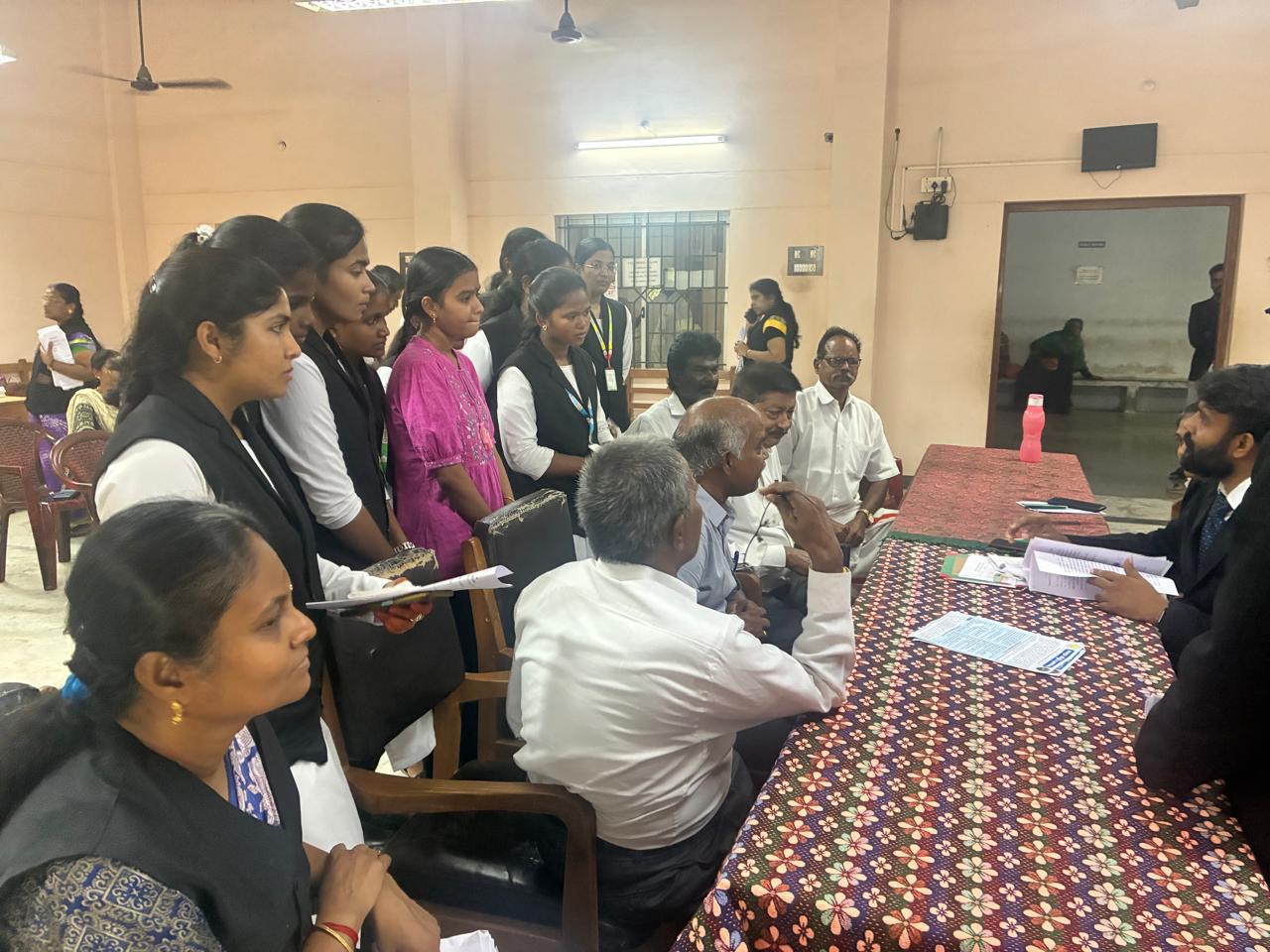
Our School of Law students visited the District Court, Perambalur, for the National Lok Adalat on 12.9.26.Our school of law students visited and observed the proceedings of national lok adalat. A group of 25 students participated in the proceedings and had a valuable opportunity to observe the functioning of the court. The visit was highly informative and provided the students with greater practical exposure. Our students also gained valuable knowledge about the role of legal aid and various other arbitration proceedings. The program was headed by Honble Principal District Judge.Dr.L.Satyamoorty Chairman/District Legal services authority and Tmt .Saranya ,Senior Civil Judge,Secretary /District Legal services Authority accompanied with other judges of District Court,Perambalur.The students understood the methods involved in resolving disputes through compromise and mediation.
They also observed the compromise proceedings in MCOP [accident case] , which was settled through mediation for ?62 lakhs for the affected victims. This enriching experience enhanced the legal knowledge and practical understanding to our students.
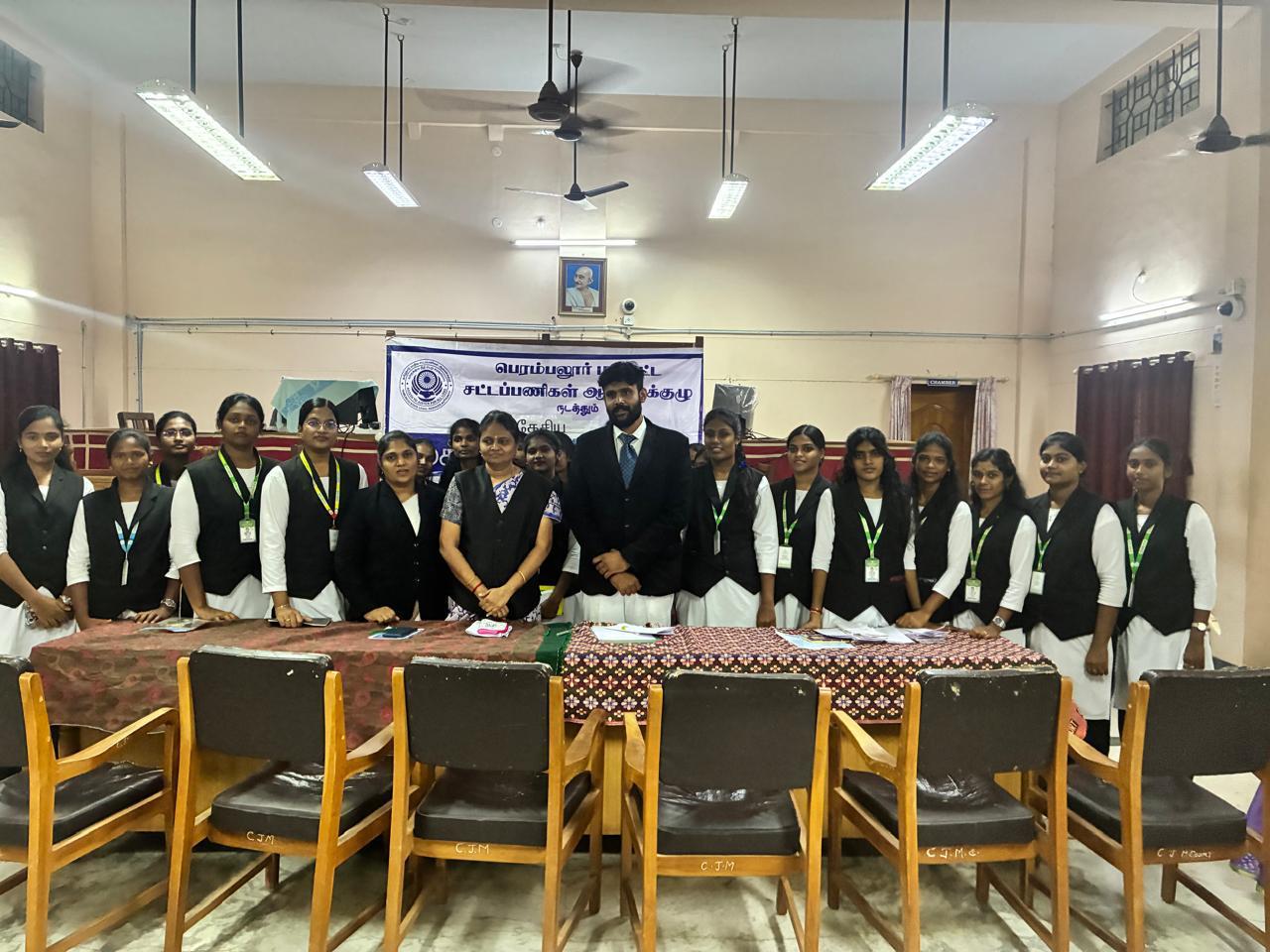
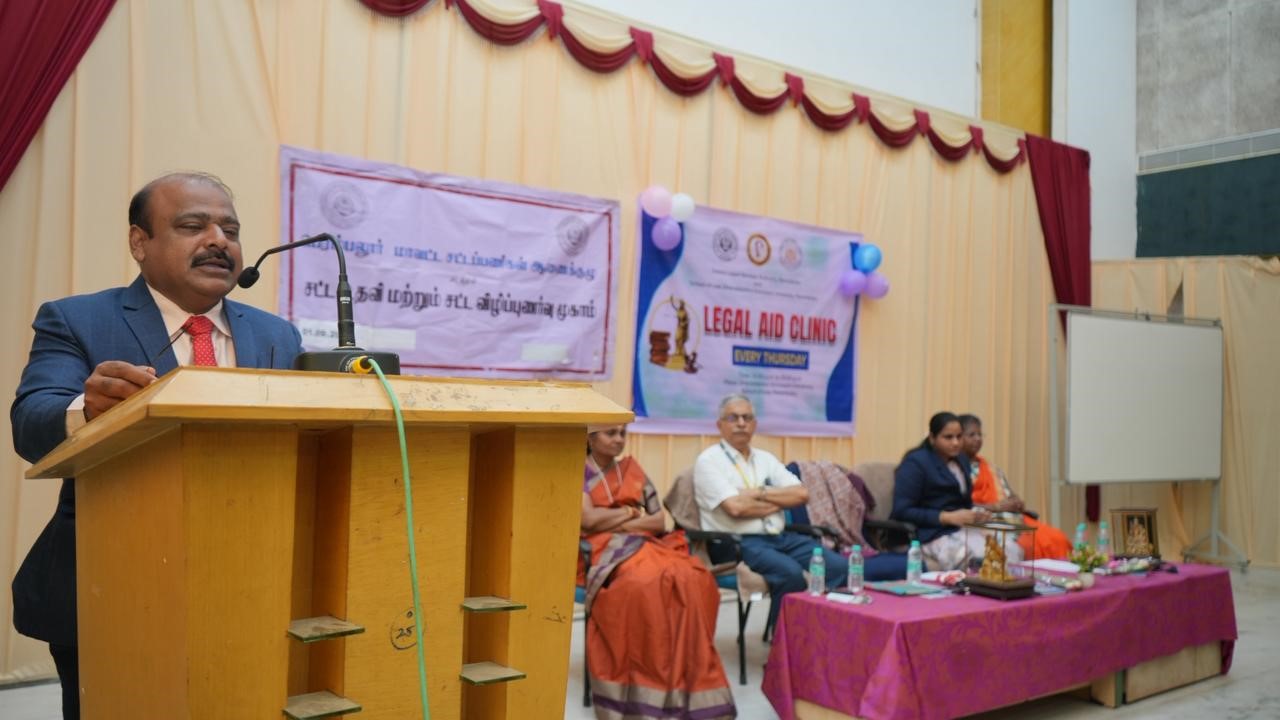
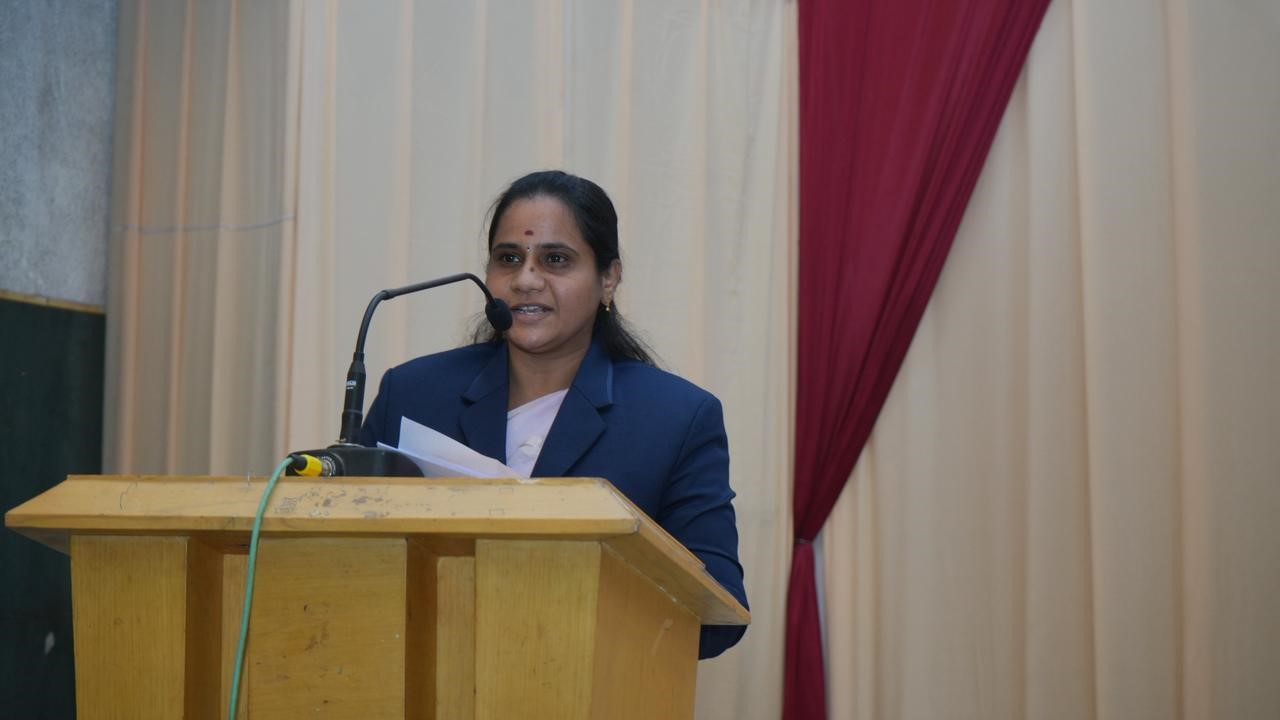
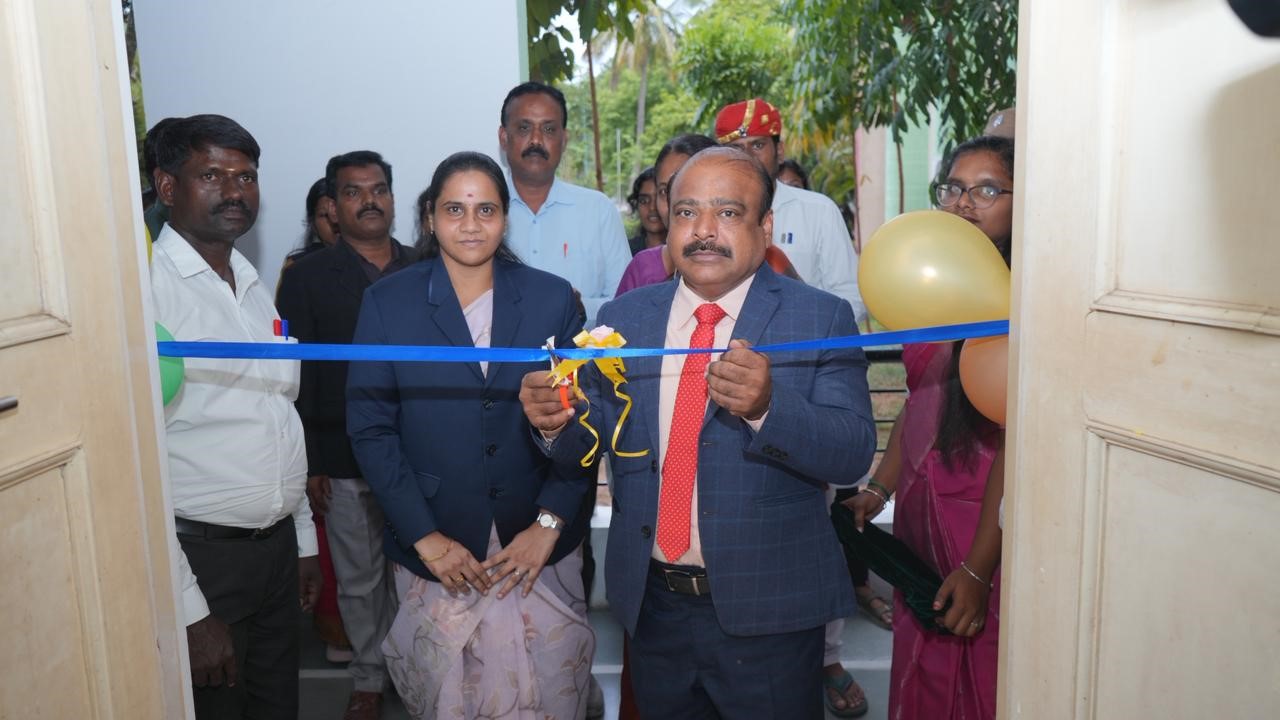
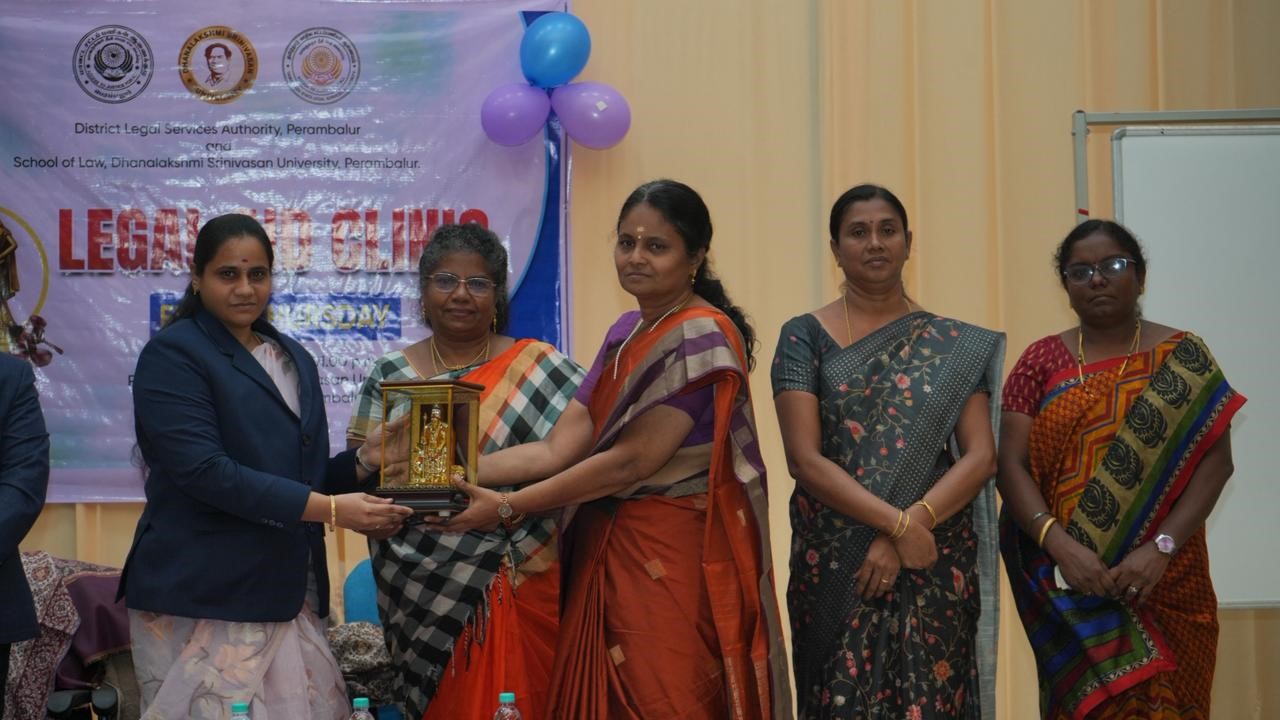
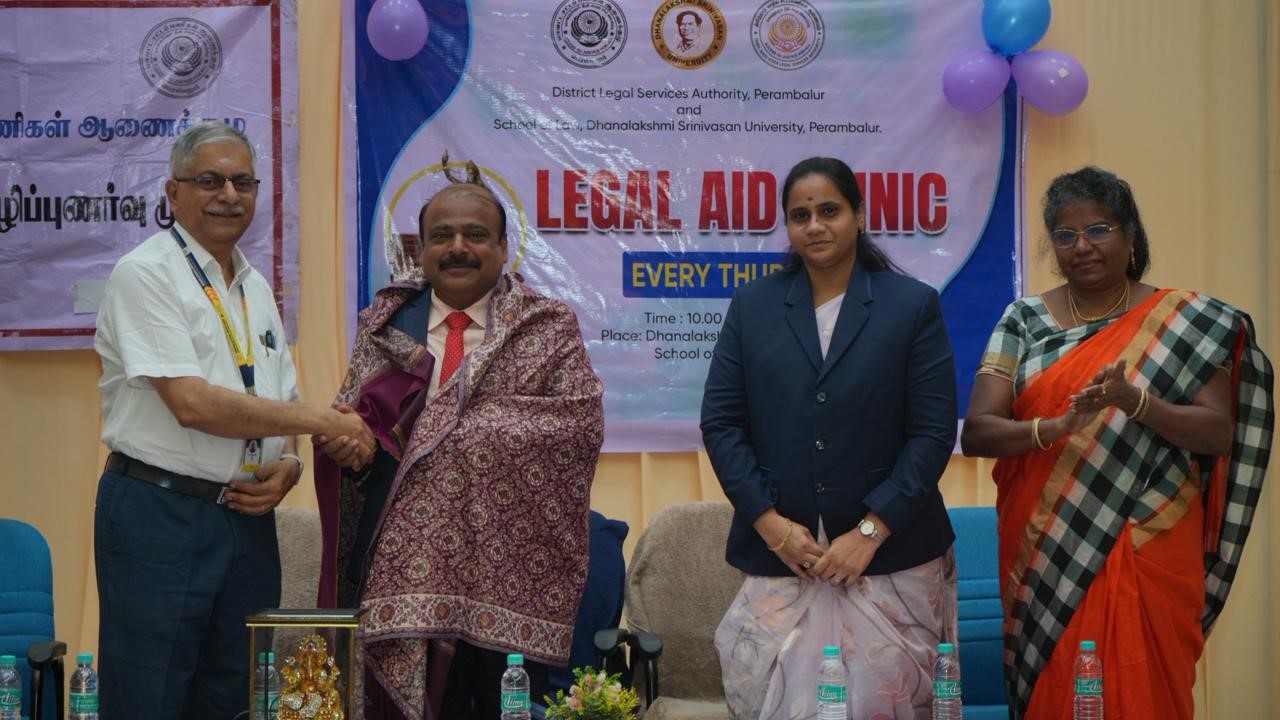
The Legal Aid Clinic of Dhanalakshmi Srinivasan University, School of Law, Perambalur, was inaugurated on *1 September 2026 at 4.30 p.m.* by *Dr. L. S. Sathyamoorthy, Hon’ble Principal District Judge, Perambalur. **Thirumathi A. Saranya, Secretary / Senior Civil Judge, DLSA, Perambalur, graced the occasion as the Guest of Honour. **Dr. P. Angayarkanni, Dean, School of Law, delivered the Welcome Address, while **Dr. Vishwanathan, Dean, Dhanalakshmi Srinivasan Institute of Medical Science, delivered the Felicitation Address. **Dr. K. Elangovan, Additional Registrar, Dhanalakshmi Srinivasan University, delivered the Special Address. The Hon’ble Principal District Judge also **collected petitions from members of the public and provided necessary guidance and assistance. The Legal Aid Clinic will function **every Thursday from 10.00 a.m. to 1.00 p.m., with a **Panel Advocate* available to provide legal guidance and assistance to the public. The programme marked a significant initiative towards promoting *legal awareness, access to justice and legal empowerment* in the community.

1. Orientation and Academic Guidance Programme
An Orientation and Academic Guidance Programme was conducted during the morning session under the guidance of Dr. P. Angayarkanni, M.A., M.L., PG.DFL., Ph.D., Dean, School of Law, Dhanalakshmi Srinivasan University, Perambalur. The session aimed to familiarize the newly admitted students with the academic environment, institutional practices, rules, regulations, discipline, attendance requirements, and expectations of the School of Law.
2.Prospects and Challenges of Legal Profession in the LPG Era
Topic: Prospects and Challenges of Legal Profession in the LPG Era
Resource Person: Dr. S. Amirtha Lingam, Ph.D.
Designation: Professor & Dean, PG Academics, Tamil Nadu National Law University, Trichy
The session focused on the changing nature of the legal profession in the LPG era- Liberalization, Privatization and Globalization. The speaker explained that economic reforms have created new opportunities for legal professionals in corporate law, intellectual property, taxation, arbitration, international trade, banking, finance, technology law and compliance.
3. Transparency and Accountability in Public Administration
Topic: Transparency and Accountability in Public Administration
Resource Person: Mr. A. Nirmal Singh Heera, M.A., M.L., NET, (Ph.D.)
Designation: Assistant Professor of Law, Tamil Nadu National Law University, Trichy
The session focused on the importance of transparency and accountability in public administration. The speaker explained that transparency ensures openness in governmental decision-making and enables citizens to understand how public authorities exercise their powers. The lecture highlighted the role of the Right to Information Act, 2005 in promoting openness and providing citizens with access to information held by public authorities. Transparency helps prevent corruption, misuse of power and administrative irregularities.
4. Session II: Campus Visit
(Campus Visit of Dhanalakshmi Srinivasan University)
The Campus Visit of Dhanalakshmi Srinivasan University provided the students with an opportunity to become familiar with the university environment and its various facilities. The visit helped the newly admitted students understand the campus infrastructure, academic facilities, administrative sections and student-support services.
During the visit, students were introduced to important facilities such as the classrooms, library, laboratories, administrative offices, seminar halls and other student facilities.
Campus Visit: Apple Lab, AI Lab and Drone Lab
As part of the campus visit, the students were introduced to the Apple Lab, Artificial Intelligence (AI) Lab, and Drone Lab of Dhanalakshmi Srinivasan University. The visit provided students with an opportunity to understand the role of modern technology in higher education and professional development.
5.The programme included a Medical Camp, where students underwent basic height and weight assessments and received health-awareness guidance. The students also visited the Library, where they were instructed on library rules, book issue and return procedures, and methods of identifying Bare Acts, textbooks, journals, and volumes. In the afternoon, Dr. P. Angayarkanni, Dean, School of Law, conducted an academic guidance and career development session covering curriculum, examinations, assignments, attendance, discipline, and career opportunities in litigation, judiciary, corporate law, higher studies, and competitive examinations.
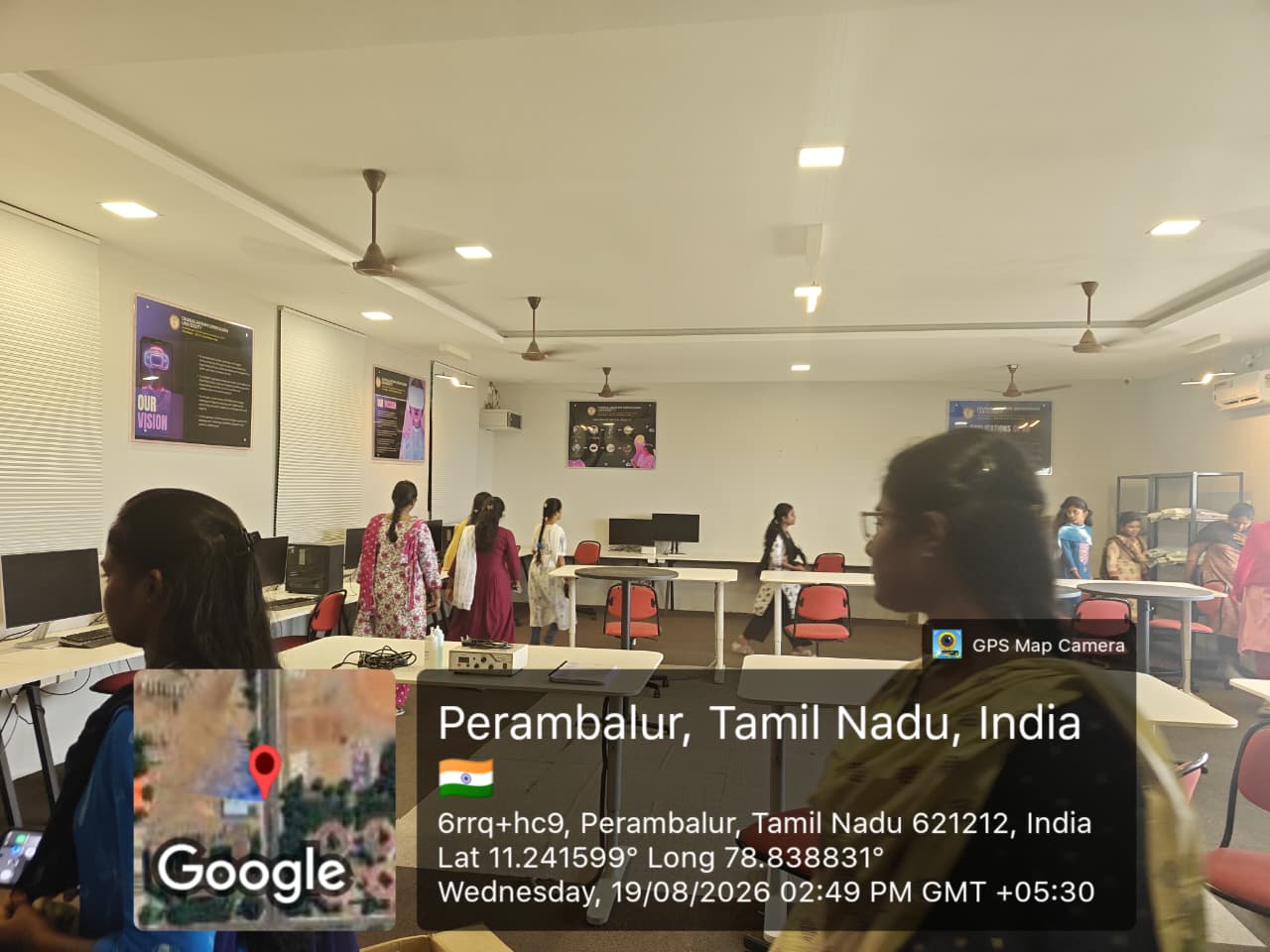
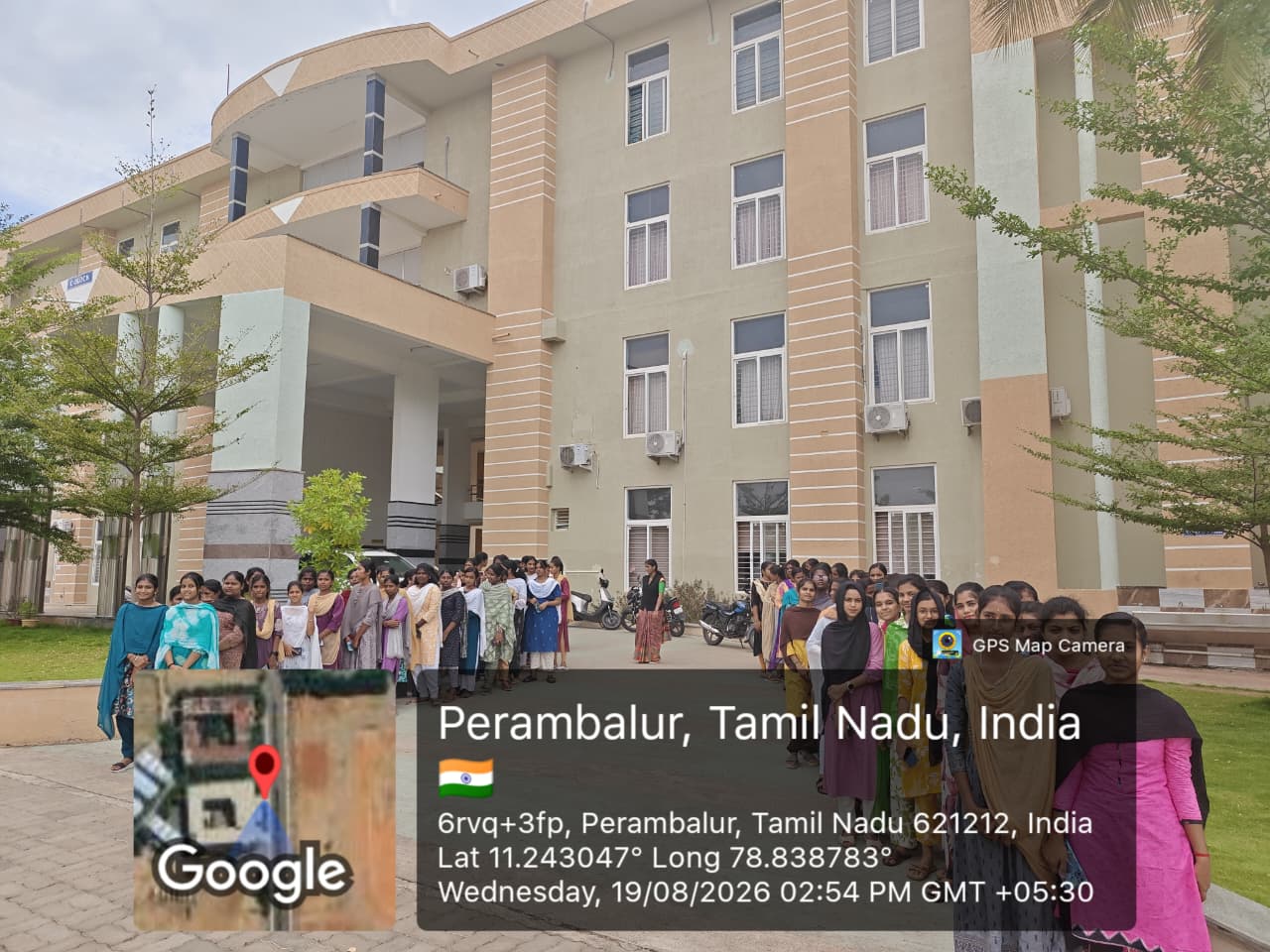
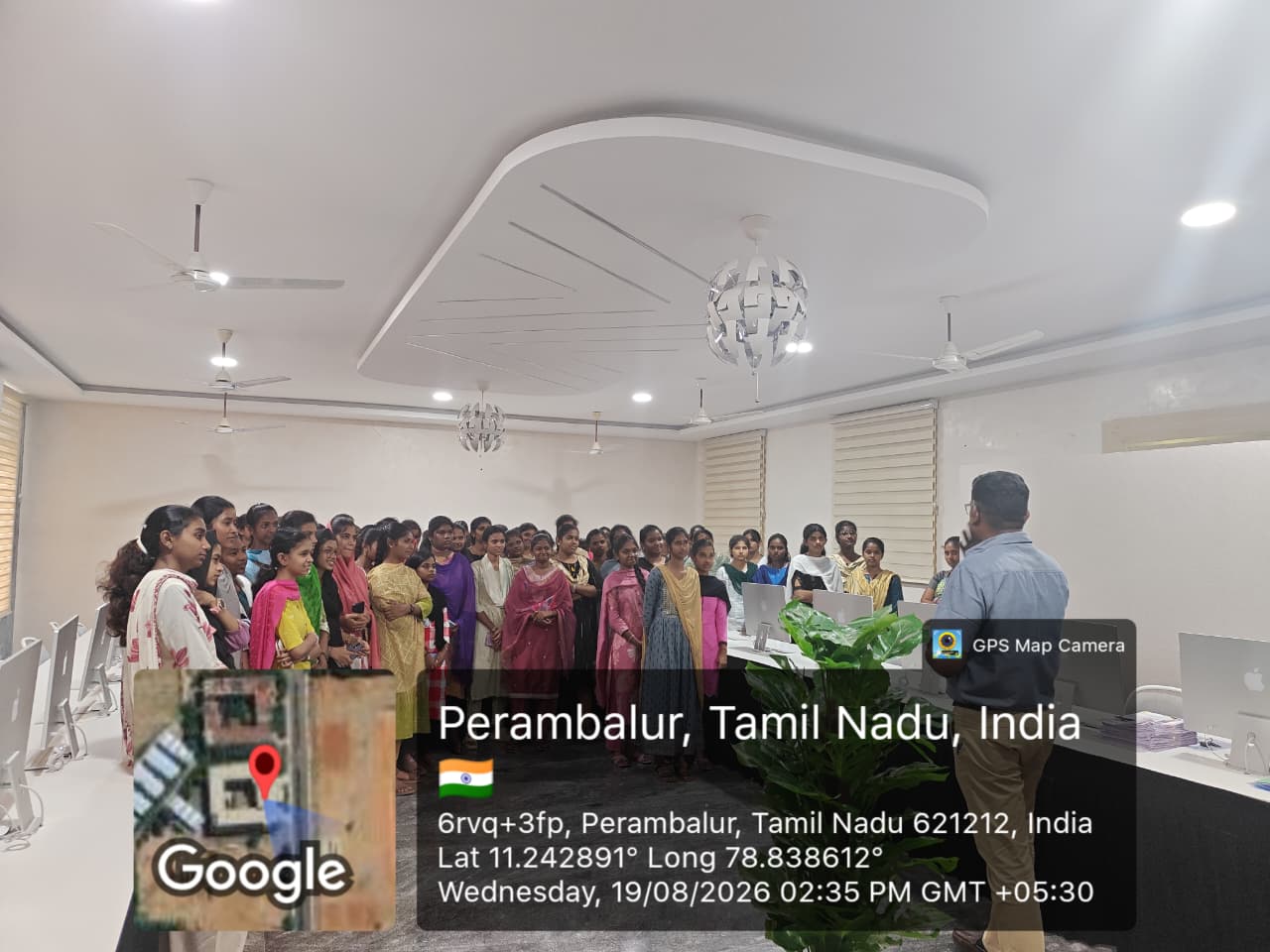
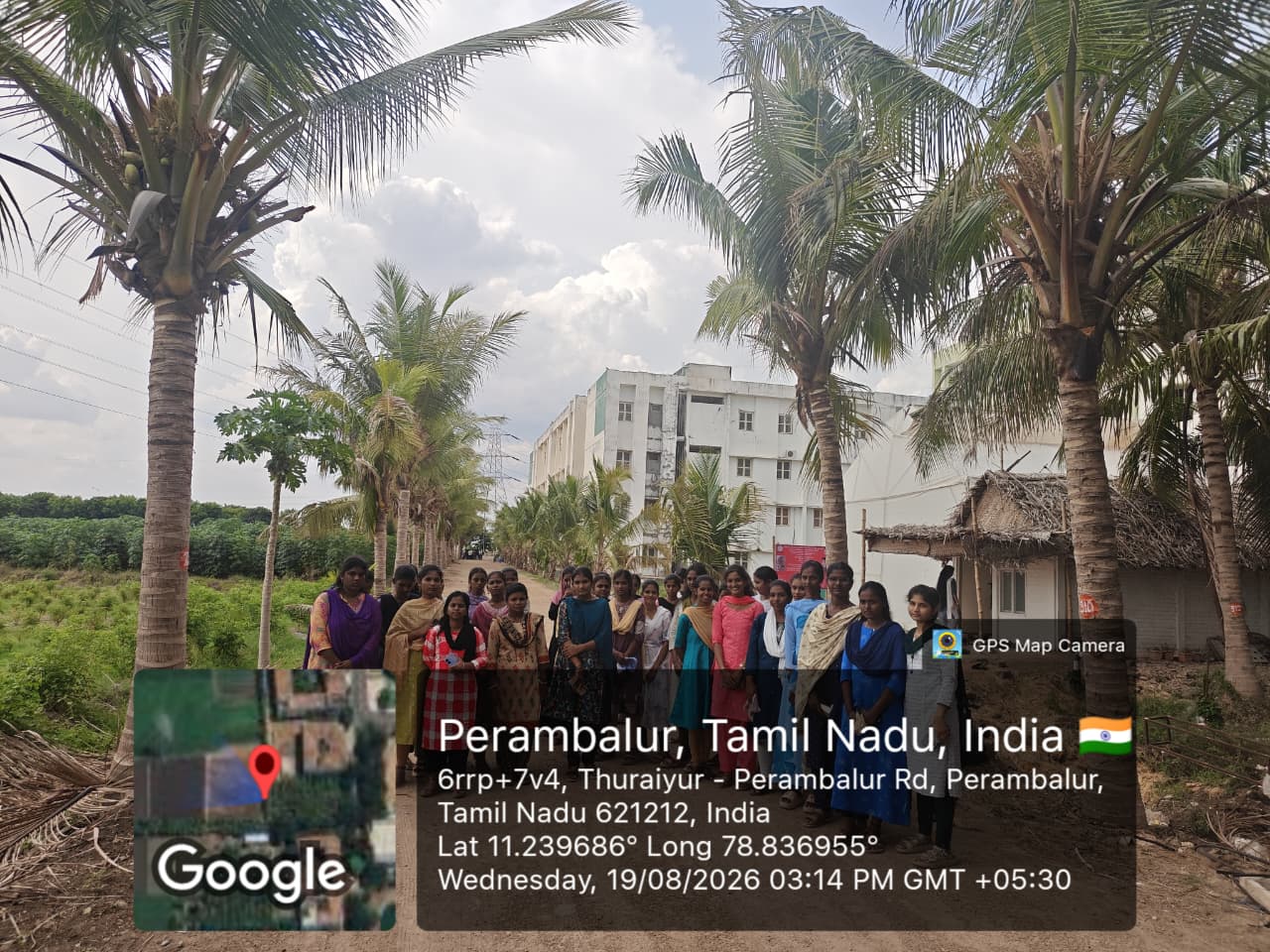
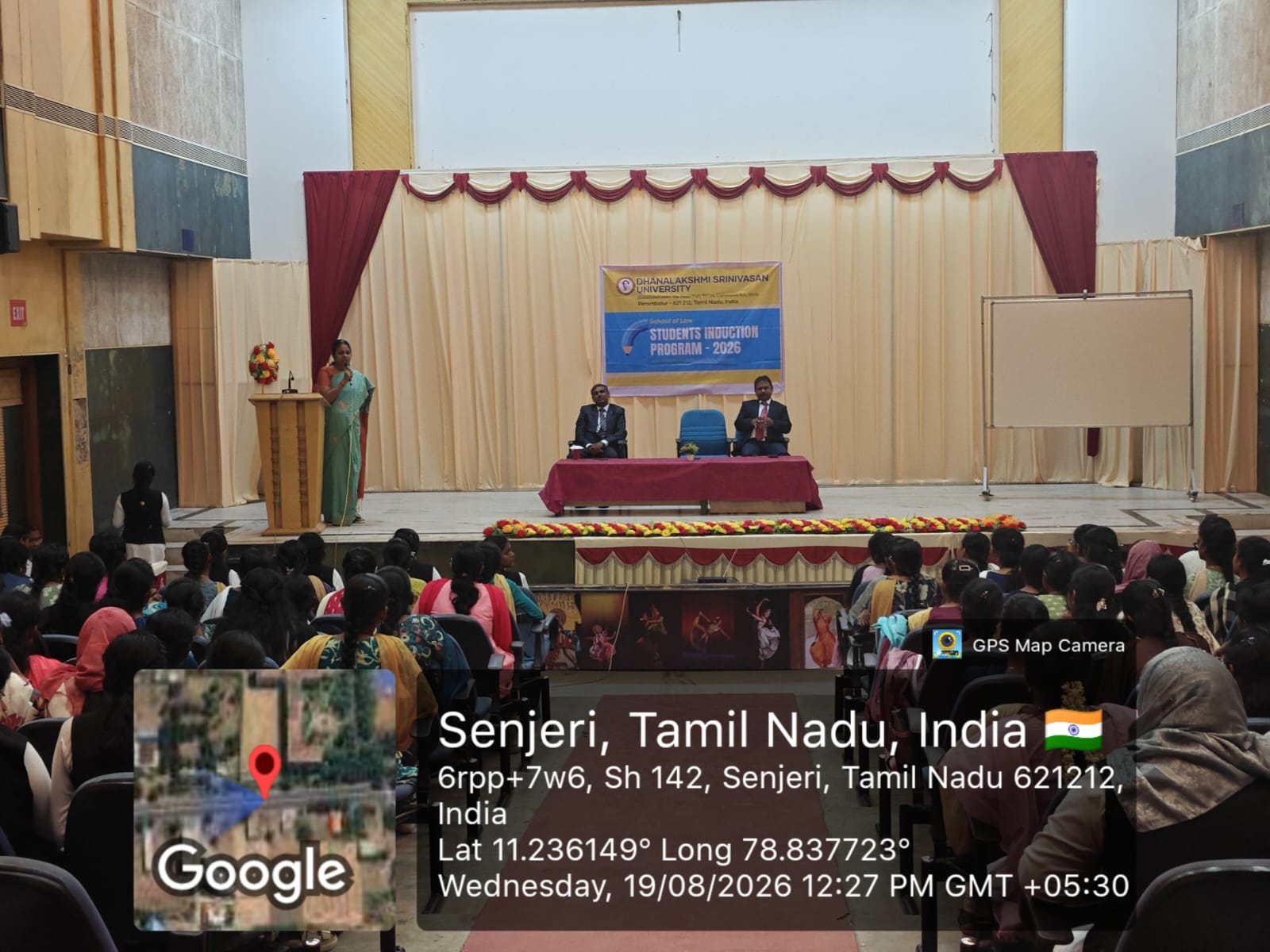
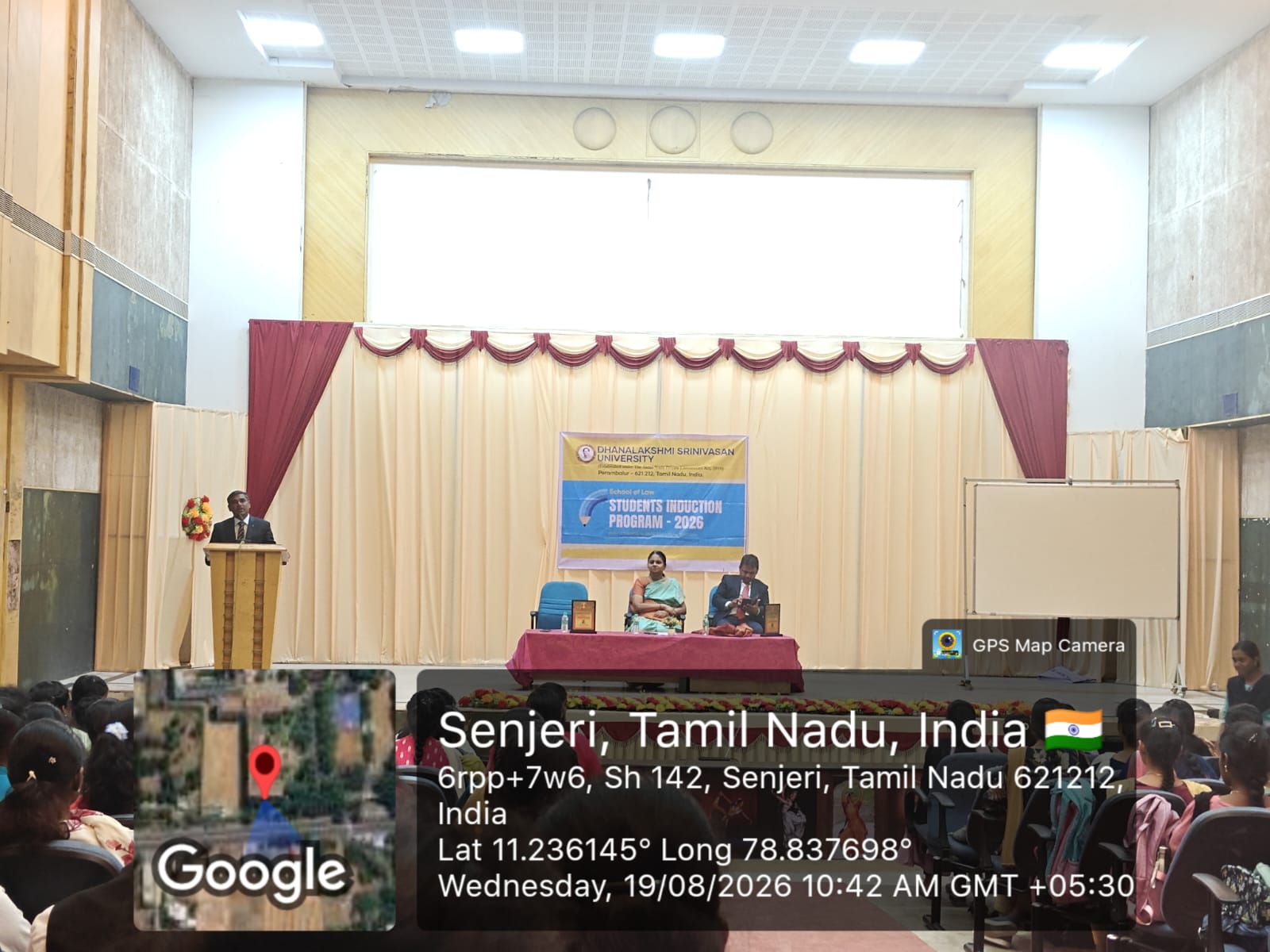
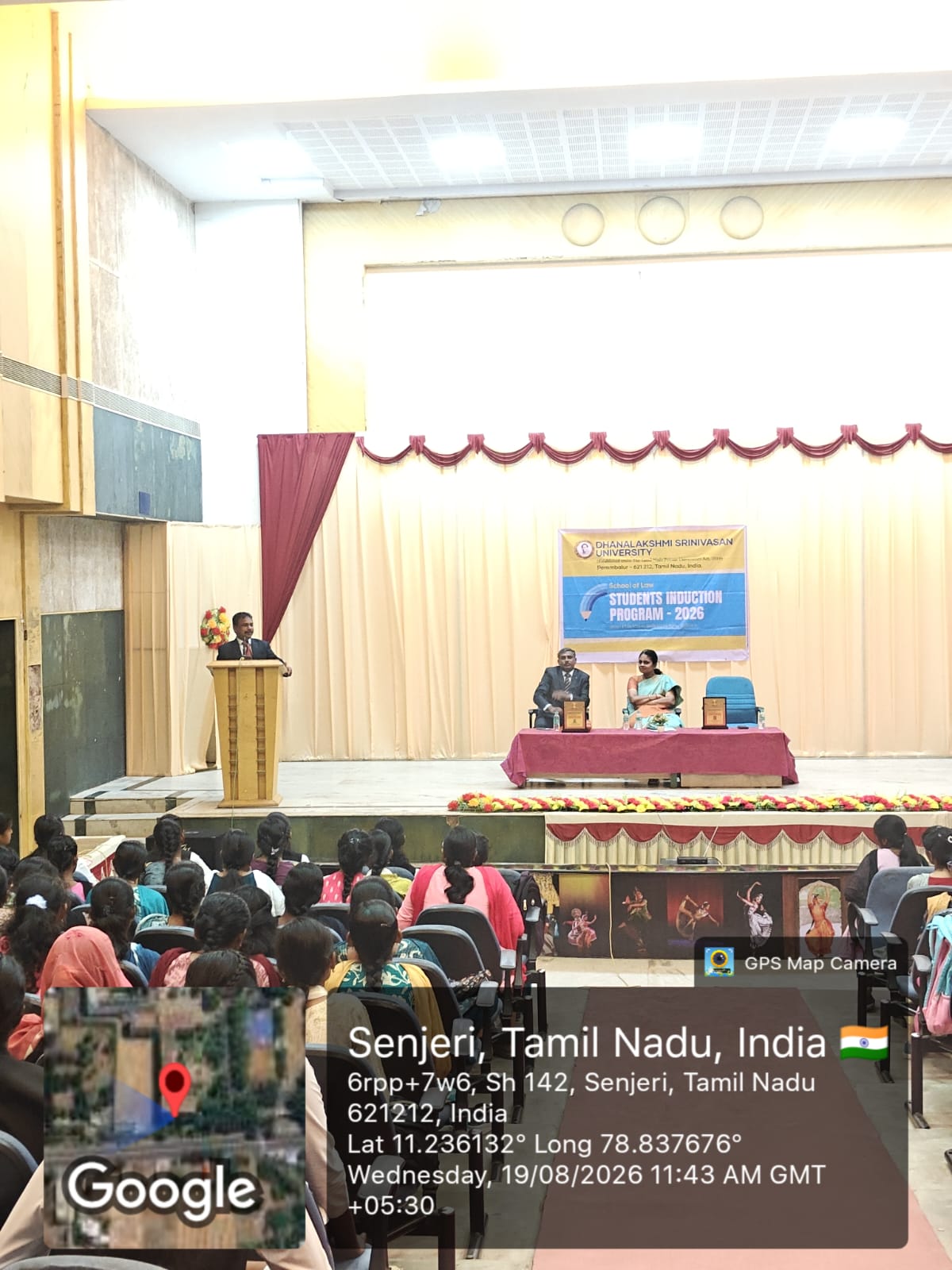
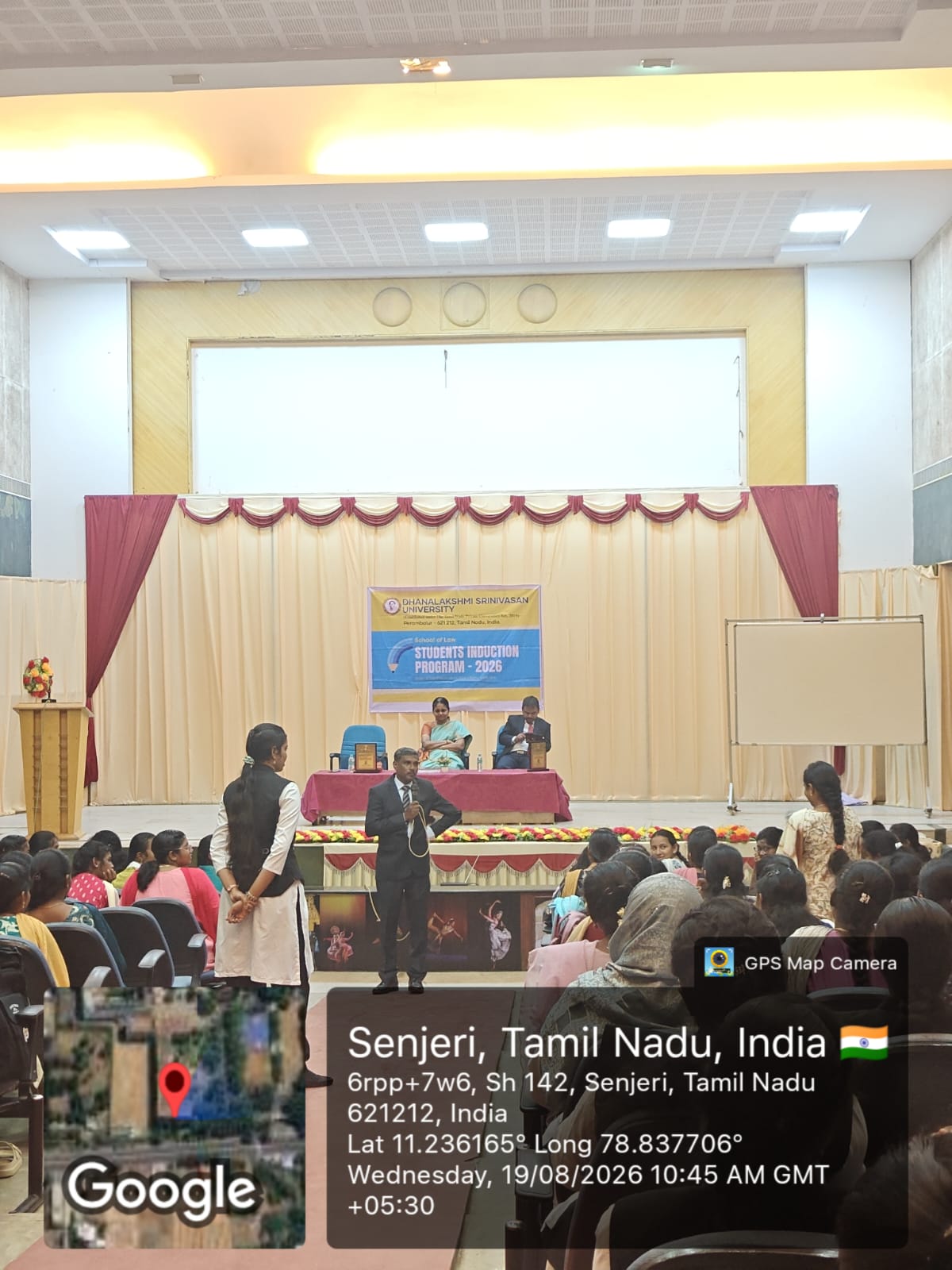
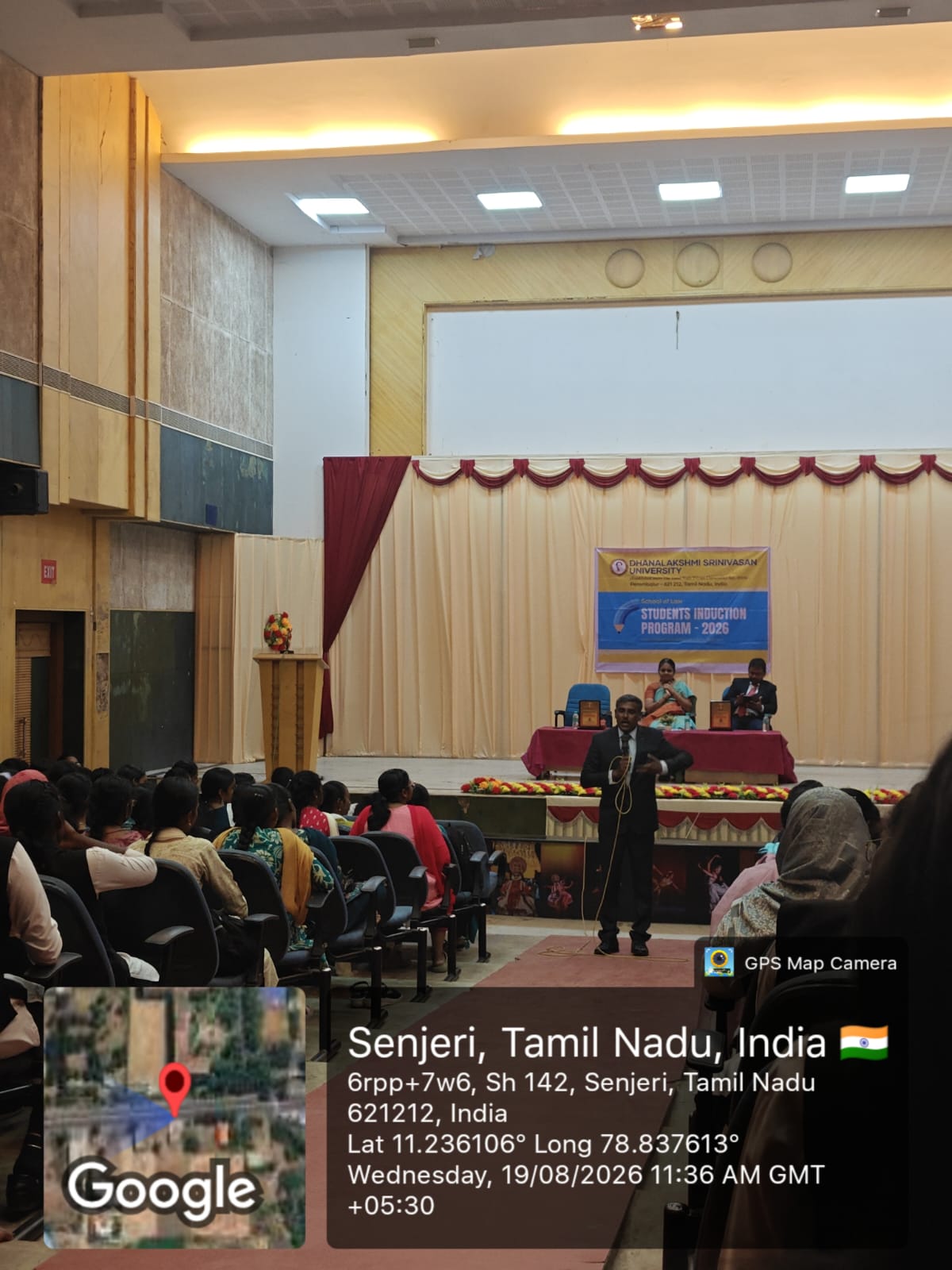
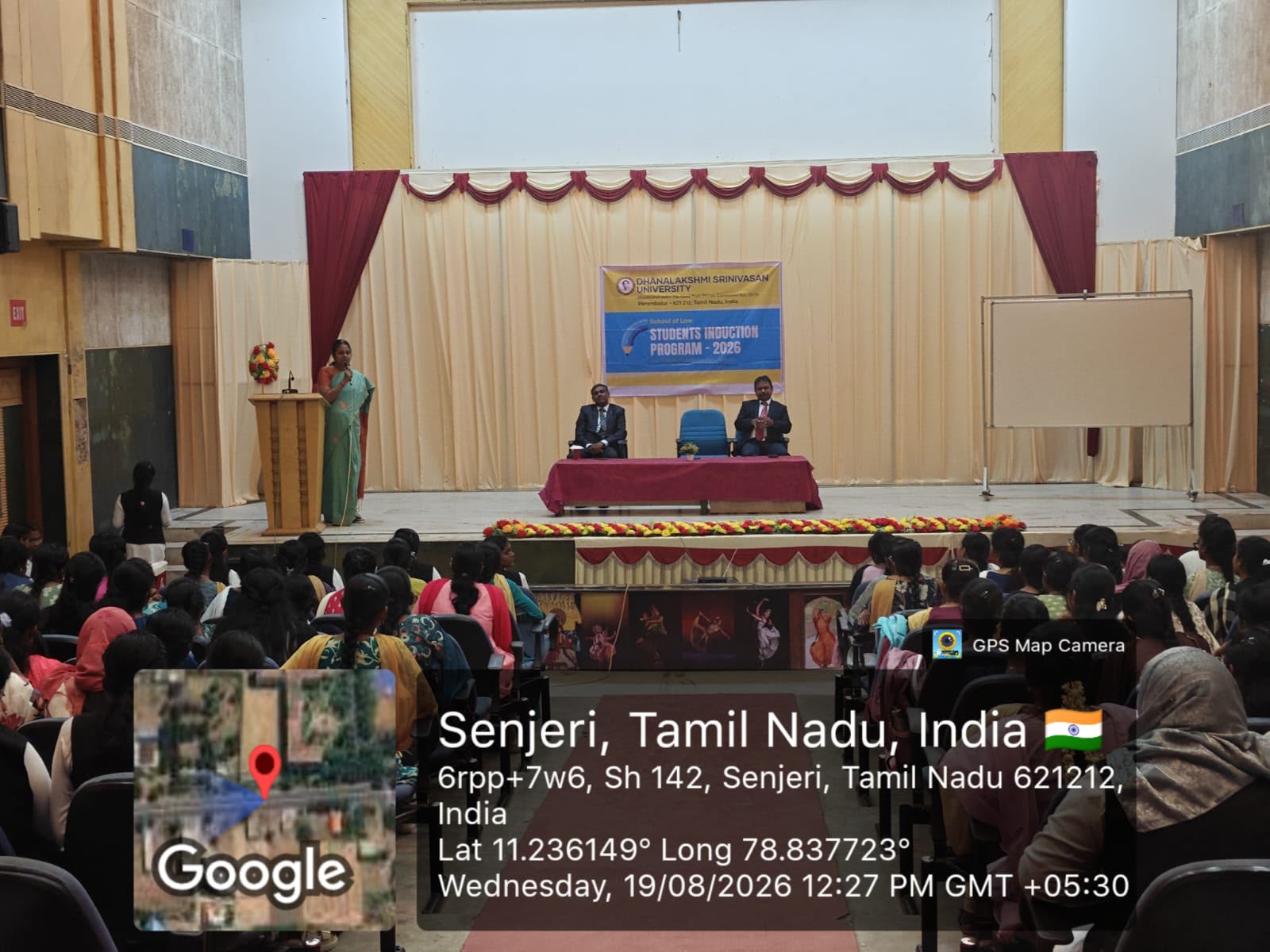
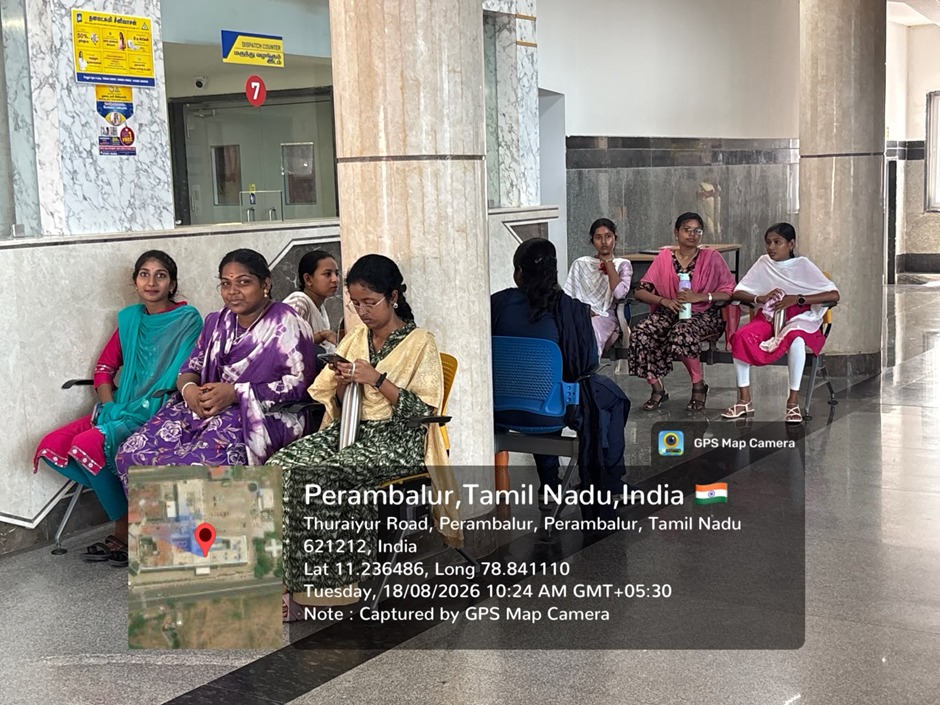
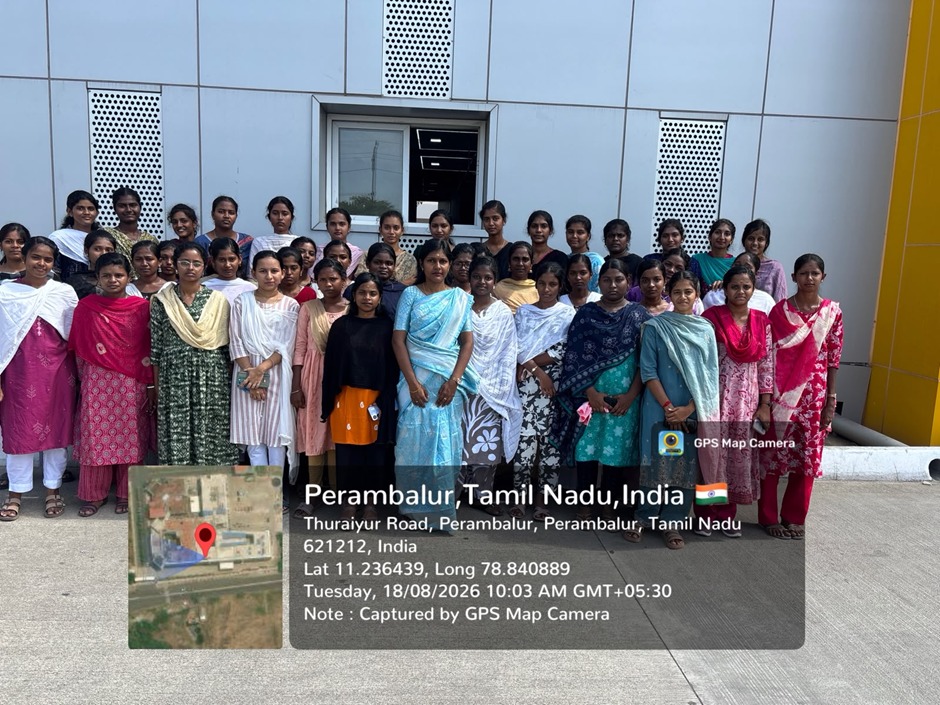
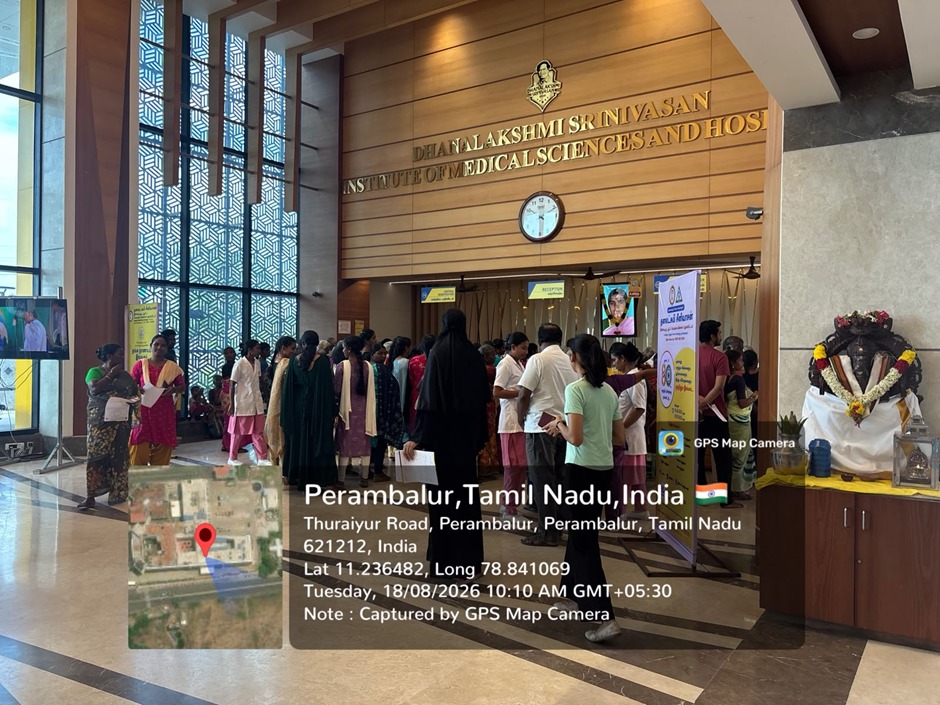
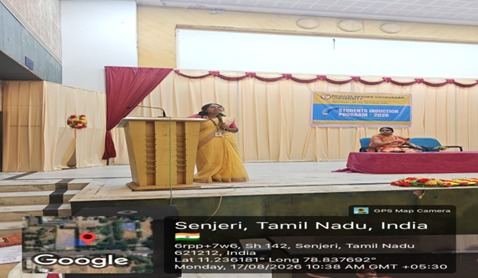
The first day of the Induction Programme for the newly admitted students of the School of Law for Women, Dhanalakshmi Srinivasan University, Perambalur, was conducted on 17th August 2026 with the objective of introducing students to the academic environment, institutional structure, and the values and responsibilities associated with legal education.
The morning session of theprogramme focused on two important sessions: “Legal Awareness & Human Rights in the Present Scenario” and “Introduction to Institutional Bodies and Academic Systems.” The sessions were designed to help students understand their role as responsible members of the institution and future members of the legal profession.
The afternoon session of the first day of the Induction Programme was conducted through a series of Language and Logical Reasoning Games to make the learning experience interactive, engaging and enjoyable for the newly admitted students.The session also included activities such as number patterns, analogies, odd-one-out, coding-decoding and direction-sense reasoning. These activities encouraged students to observe carefully, identify patterns, analyse information and arrive at logical answers.
A Detective Mystery Game was also conducted, in which students analysed clues and statements to identify the most likely suspect in different situations. The activity helped to develop their observation, reasoning and problem-solving skills.
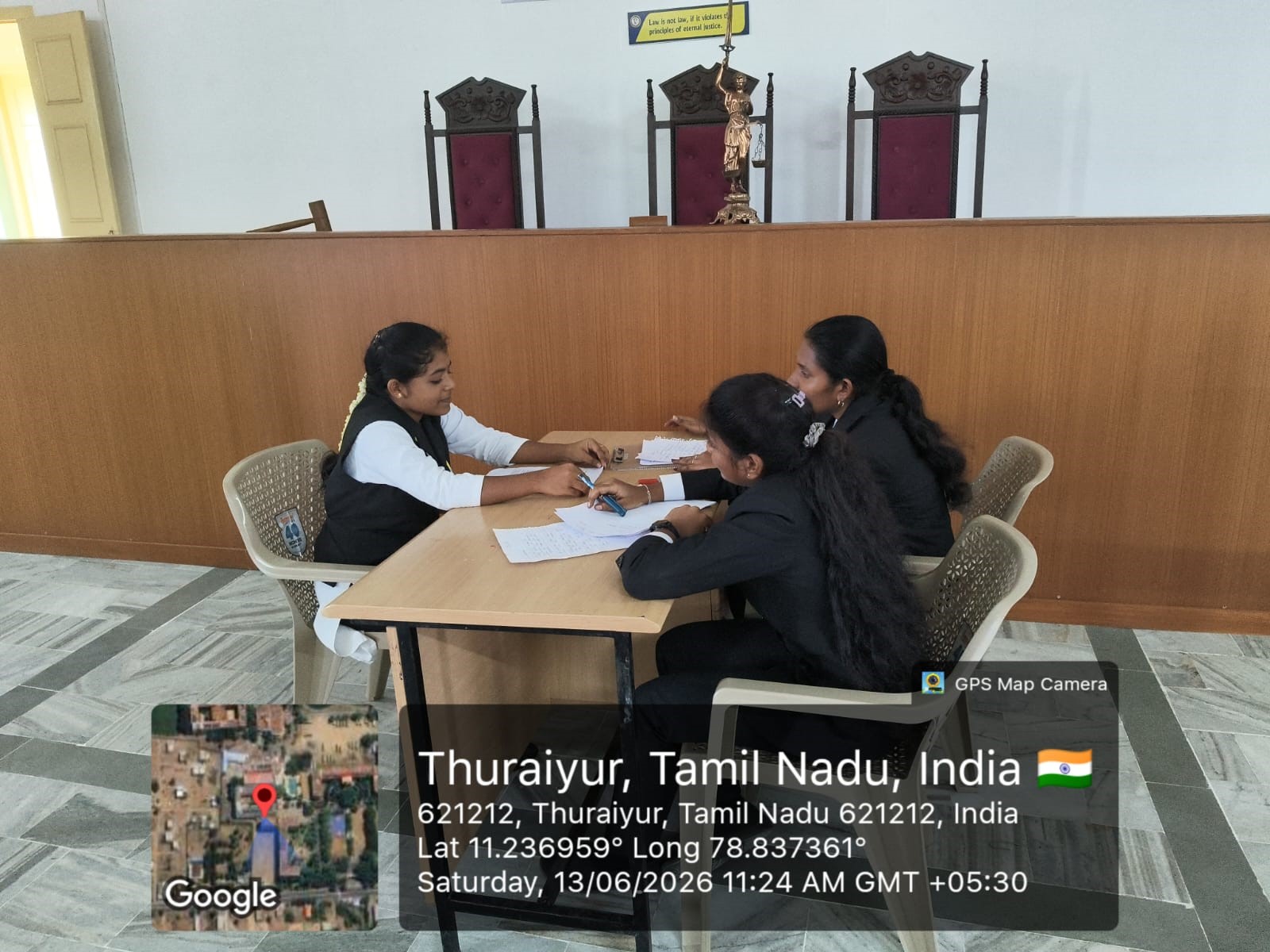
The School of Law, Dhanalakshmi Srinivasan University, Perambalur, successfully organized the Client Counselling Competition – II on 13th June 2026 at the Moot Court Hall. The competition was conducted with the objective of enhancing the practical legal skills of students by providing them with an opportunity to engage in simulated lawyer-client interactions. The event aimed to develop essential professional competencies such as client interviewing, active listening, legal analysis, problem-solving, communication, and counselling skills.The competition witnessed enthusiastic participation from students of various law programmes. Participants competed in teams and were presented with hypothetical legal problems from diverse areas of law, including family law, consumer law, cyber law, labour law, banking law, and criminal law. Each team assumed the role of legal counsel and interacted with a client portrayed by another participant. The teams were required to identify the legal issues involved, gather relevant facts through effective questioning, establish rapport with the client, and provide appropriate legal advice and possible remedies. The judging panel evaluated the participants based on several parameters, including their ability to establish a professional relationship with the client, interviewing techniques, identification of legal and non-legal issues, analytical ability, application of legal principles, ethical considerations, and overall communication skills. The competition provided students with a realistic understanding of the responsibilities of legal practitioners and the importance of client-centred legal services.Throughout the event, participants demonstrated commendable advocacy and counselling abilities. The competition encouraged students to think critically, approach legal problems from a practical perspective, and appreciate the significance of empathy and professionalism in legal practice. The simulated environment helped bridge the gap between theoretical legal education and practical application, thereby contributing to the holistic development of aspiring legal professionals. The Client Counselling Competition – II was highly successful and served as an enriching learning experience for all participants. The event reinforced the importance of effective communication and ethical legal practice while fostering confidence and professionalism among law students. The School of Law extends its appreciation to the faculty coordinators, judges, volunteers, client participants, and student competitors whose efforts contributed to the successful conduct of the competition.
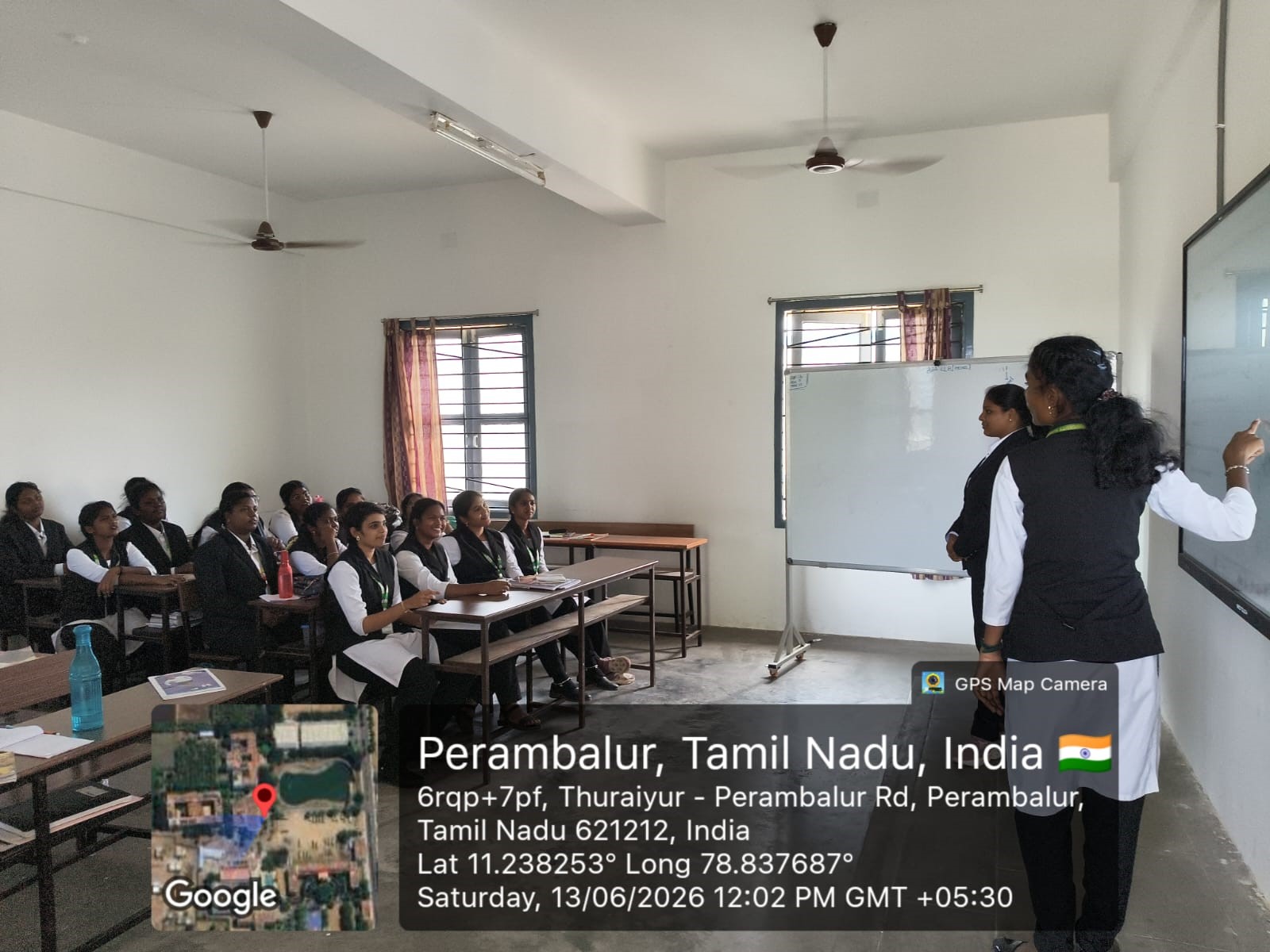
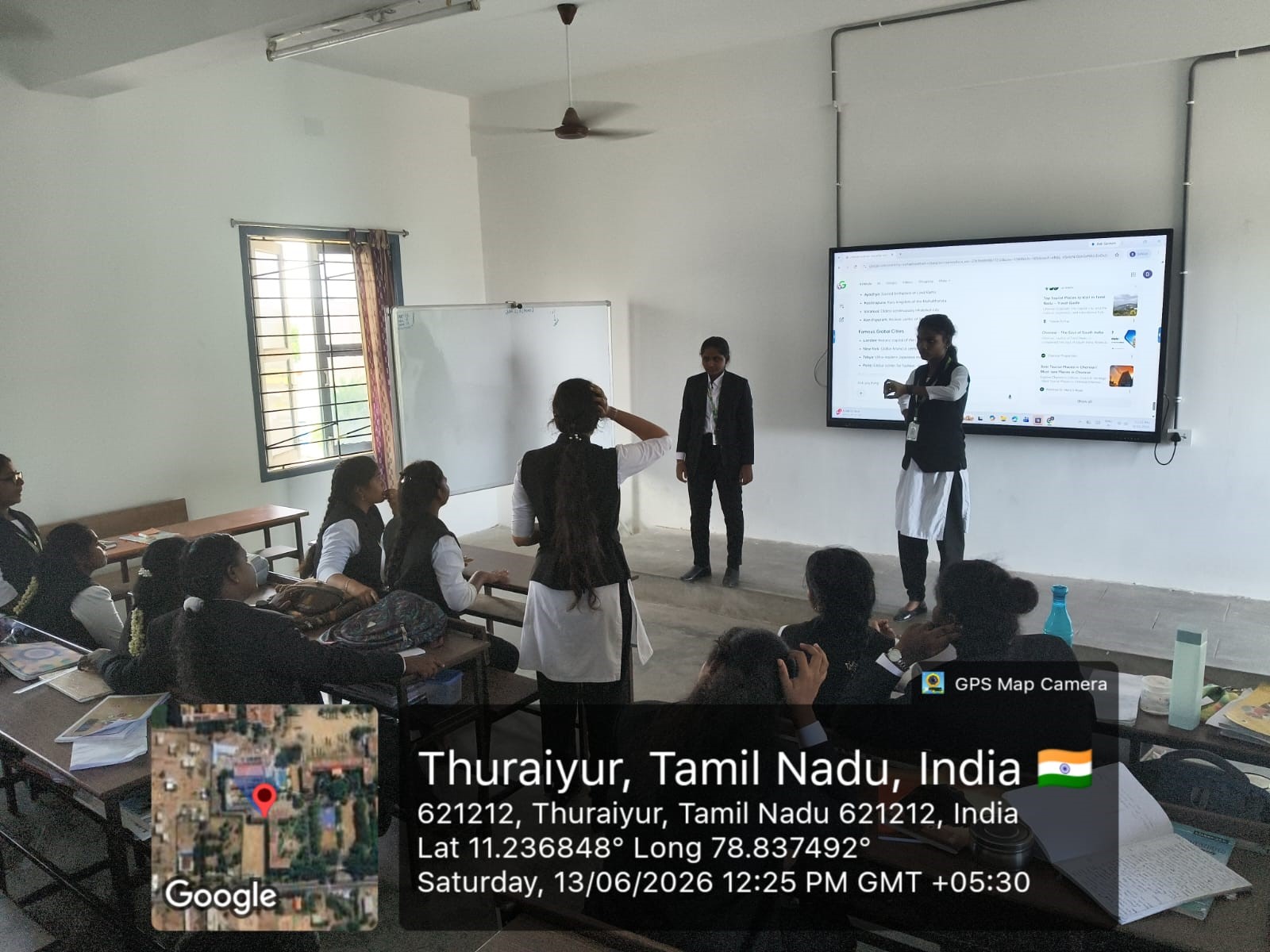
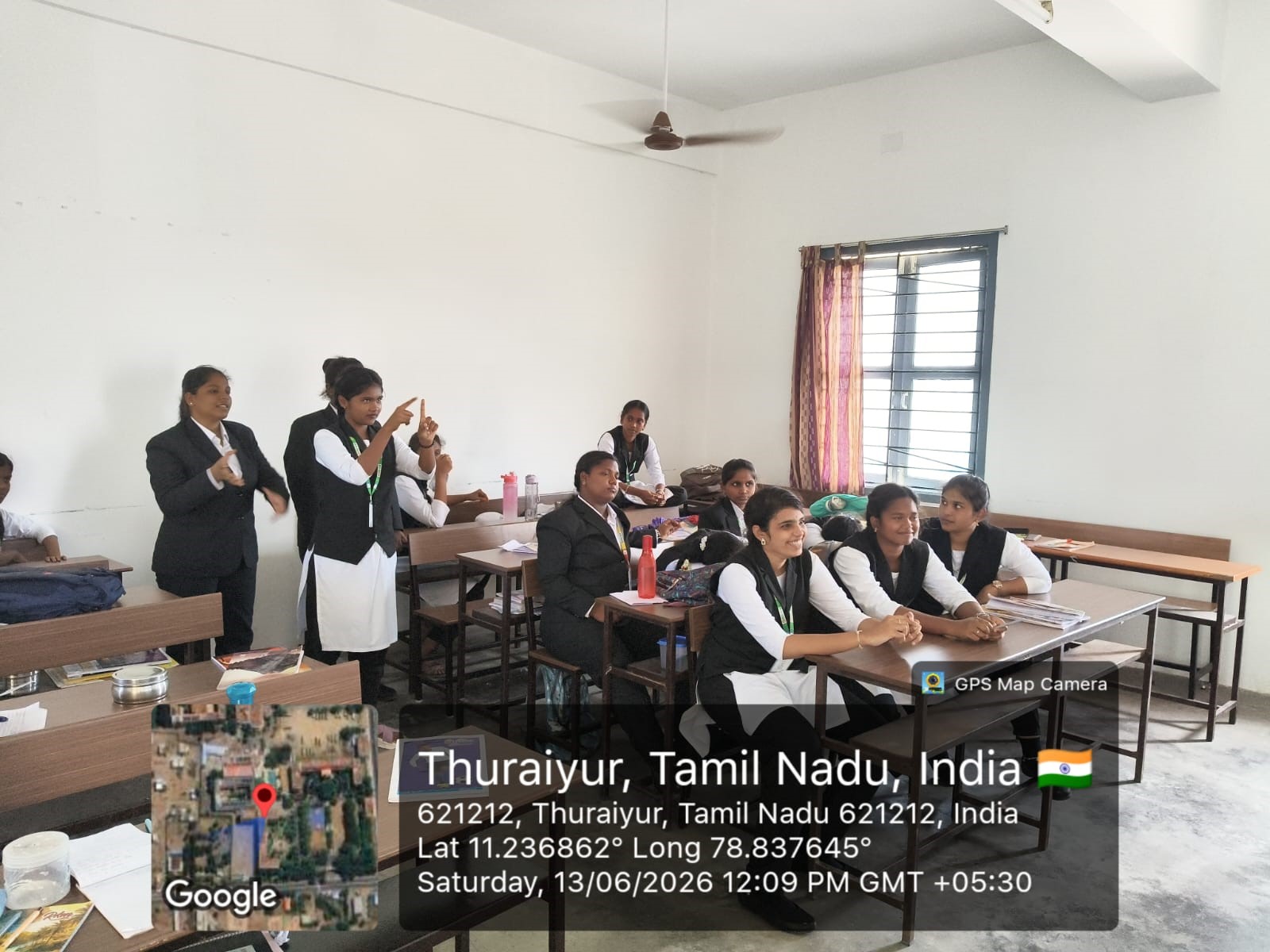
The Fine Arts Club organized an engaging and interactive student activity programme on 13th June 2026 with the aim of promoting creativity, teamwork, communication, and social interaction among students. The programme witnessed enthusiastic participation from 25 students of B.A. LL.B. and B.B.A. LL.B. programmes.As part of the event, two fun-filled games, namely Reverse Charades and Pass the Pulse, were conducted. These activities were designed to encourage students to think creatively, work collaboratively, and strengthen interpersonal relationships. The first activity, Reverse Charades, required teams to work together in expressing and interpreting words or phrases through actions. The game created a lively atmosphere and encouraged active participation, coordination, and creative expression among the students. The second activity, Pass the Pulse, focused on concentration, attentiveness, and teamwork. Students enthusiastically participated in passing signals through their teams, which enhanced their communication skills and group coordination while creating a spirit of healthy competition.The programme provided an enjoyable platform for students to interact beyond the classroom environment and showcase their enthusiasm and team spirit. The participants displayed excellent cooperation and sportsmanship throughout the activities. The event concluded successfully with active involvement from all participants. The Fine Arts Club's initiative was well received and contributed to fostering creativity, camaraderie, and a vibrant campus culture among the students.
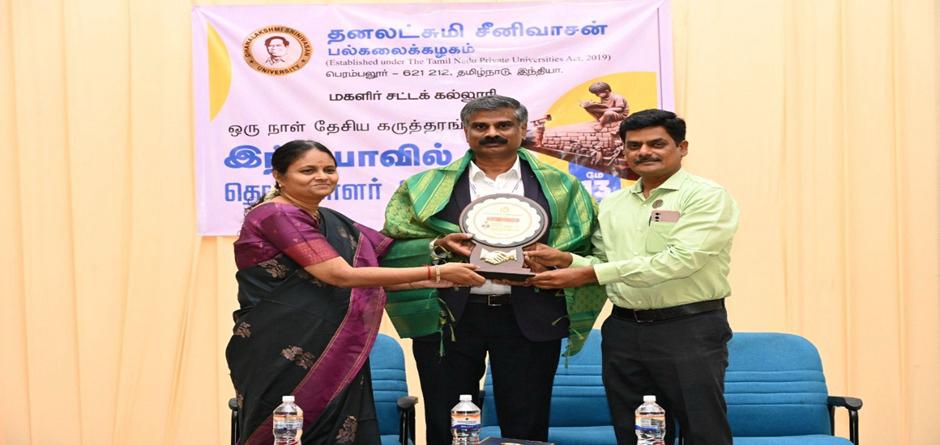
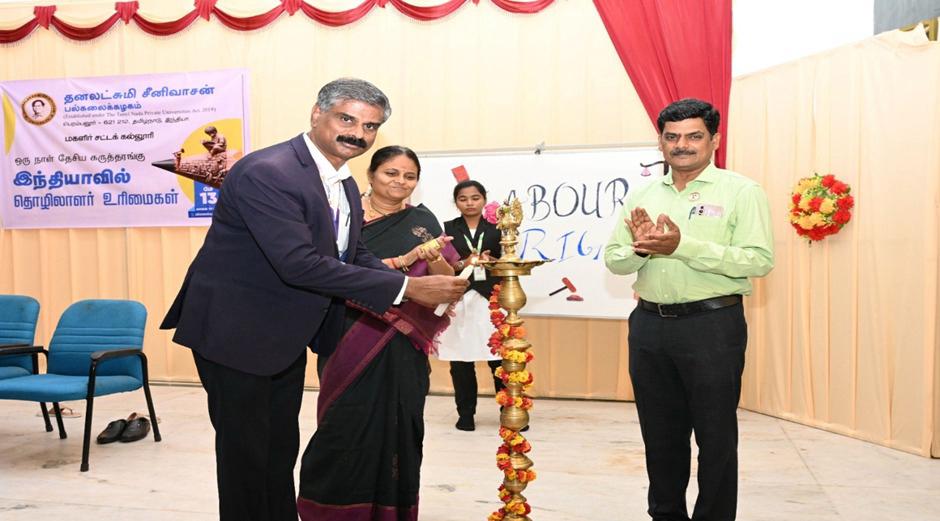
The School of Law, Dhanalakshmi Srinivasan University successfully organized a One Day National Seminar on “Labour Rights in India” with the objective of creating awareness and encouraging academic discussion on the importance of labour welfare, workers’ rights, and the evolving legal framework governing labour laws in India. The seminar served as a valuable platform for students, academicians, legal professionals, and researchers to understand the significance of labour rights in ensuring social justice, equality, and protection of workers in the modern industrial and corporate environment.
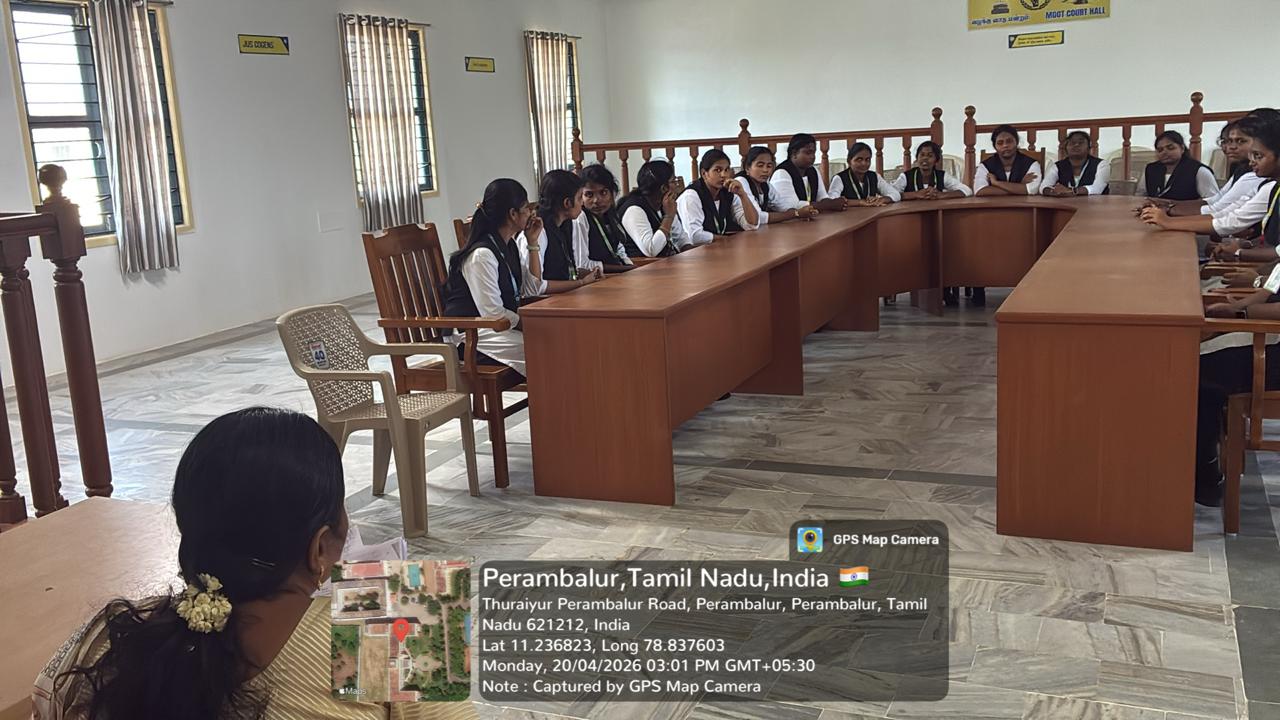
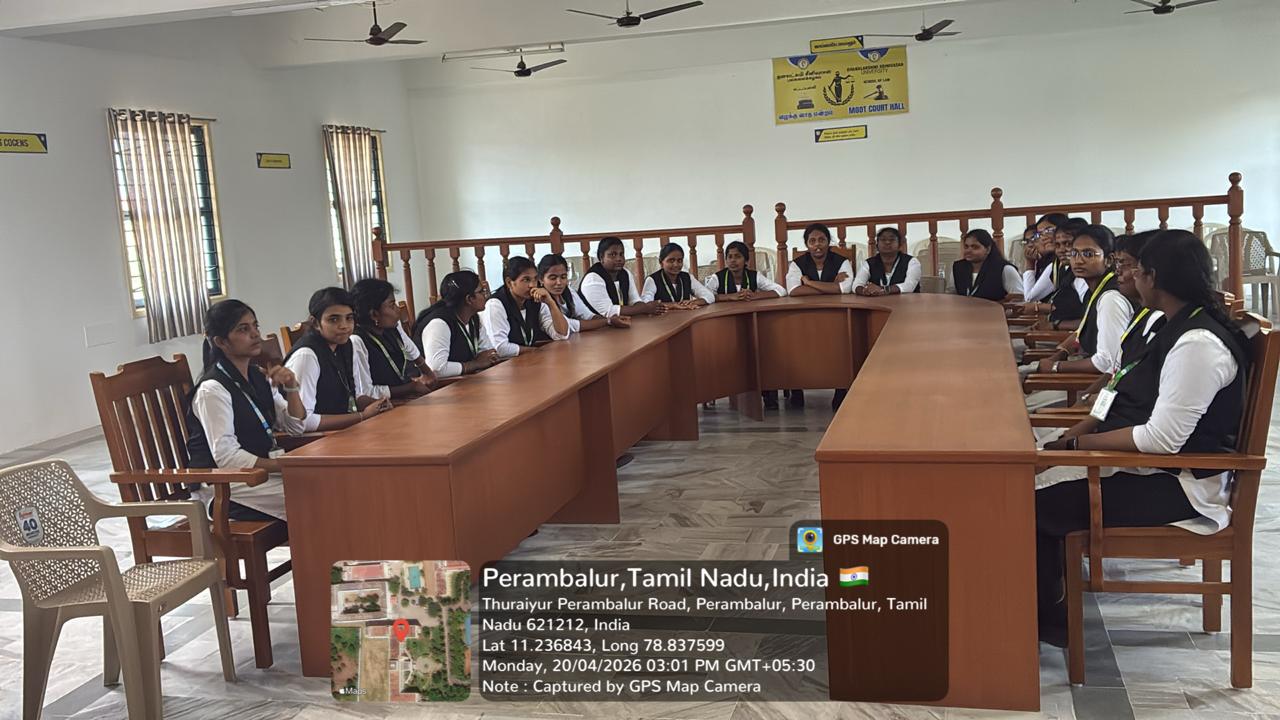
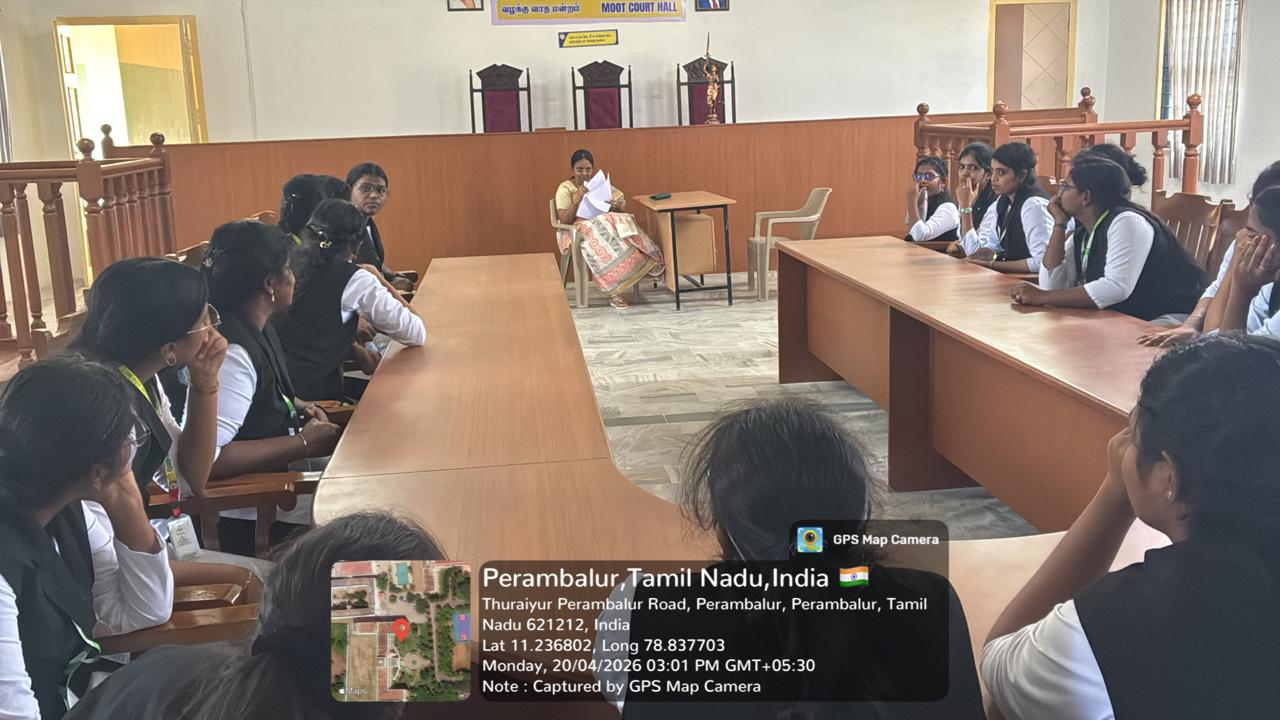
Venue: Moot Court Hall, School of Law Campus An intra-college quiz competition was organized by the School of Law for Women, Dhanalakshmi Srinivasan University, Perambalur, on 20th April 2026 at the Moot Court Hall from 3:00 PM to 4:00 PM. The event was conducted with the primary objective of promoting academic excellence, enhancing legal awareness, and encouraging active participation among students. Objectives of the Event The quiz competition was organized with multiple academic and developmental objectives. Firstly, it aimed to strengthen students’ understanding of legal concepts and current affairs, which are essential for their academic and professional growth. Secondly, the event sought to improve critical thinking, analytical ability, and quick decision-making skills among participants. Additionally, it provided a platform for students to showcase their knowledge and engage in healthy intellectual competition. The event also encouraged teamwork, coordination, and confidence among participants. Structure and Format of the Quiz Unlike conventional quiz competitions, this event was uniquely designed as a face-off between two academic streams, namely BBALLB (Hons) and BALLB (Hons). Each stream participated as a unified team, represented by selected members who demonstrated strong subject knowledge and communication skills. The quiz consisted of single rounds, each designed to assess different dimensions of knowledge and aptitude. Rapid Fire Round, which challenged participants’ speed and accuracy; and The questions were carefully framed to ensure a balance between academic rigor and general awareness. The quiz master conducted the event in an engaging and systematic manner, ensuring that all rules were adhered to and that both teams were given equal opportunities. Participation and Performance Both BBALLB (Hons) and BALLB (Hons) teams participated with great enthusiasm and dedication. The participants displayed impressive knowledge, teamwork, and presence of mind throughout the competition. Their ability to quickly analyze questions and provide accurate answers reflected their academic preparation and interest in legal studies. The competition was intense and closely contested, with both teams performing well across different rounds. The Rapid Fire and Buzzer rounds, in particular, added excitement and significantly influenced the overall scoring.
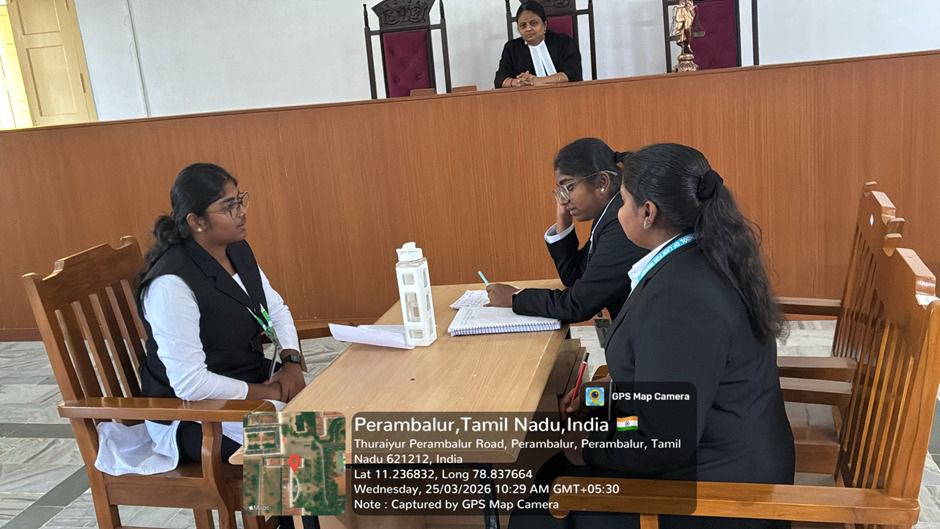
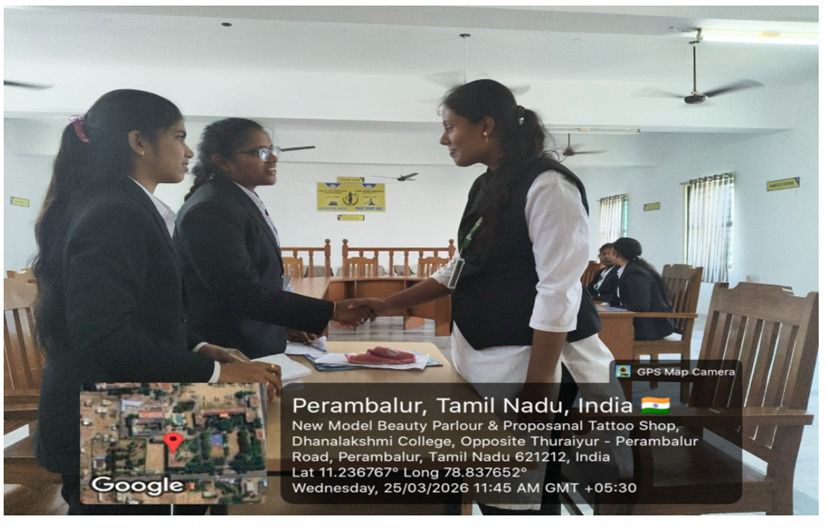
The Client Counselling Competition was successfully conducted by the School of Law for Women, Dhanalakshmi Srinivasan University, Perambalur, on 25th March 2026 at the Moot Court Hall. The event was organized as part of the institution’s continuous effort to promote practical legal education and to provide students with real-time exposure to professional legal skills. The competition witnessed enthusiastic participation from students of BALLB and BBALLB programmes. A total of 8 teams took part in the competition, consisting of 16 student counsel and 8 students who performed the role of clients. The active involvement of students reflected their keen interest in developing practical legal competencies beyond classroom learning.
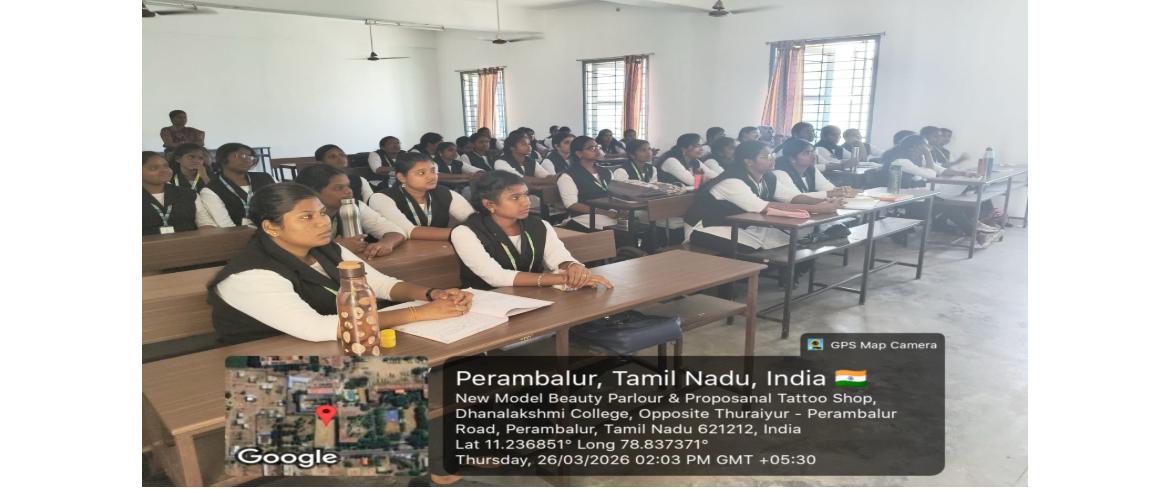
Online special lecture Organized by: School of Law for Women, Dhanalakshmi Srinivasan University, Perambalur Resource Person: Mr. R. Thirumalai, B.A., B.L., Advocate The School of Law for Women, Dhanalakshmi Srinivasan University, Perambalur, organized a special lecture on the topic “Understanding the Framework of Contract” on 26th March 2026 The session aimed to provide students with a comprehensive understanding of the foundational principles governing contract law and its practical application in real-life scenarios. The lecture was delivered by Mr. R. Thirumalai, B.A., B.L., Advocate, a distinguished legal practitioner with over 25 years of experience at the Bar, primarily in civil litigation. The main objective of the special lecture was to bridge the gap between theoretical knowledge and practical application of contract law. It focused on helping students understand how contractual principles operate in day-to-day legal and commercial transactions. Mr. R. Thirumalai is a seasoned advocate with extensive experience in handling civil cases. He is associated with Dhanalakshmi Srinivasan Institution and currently works with Dhanalakshmi Srinivasan Chit Funds Private Limited, Perambalur. His areas of expertise include property disputes, contractual obligations, family law, and corporate compliance. His vast professional exposure made the session highly practical and insightful. The lecture began with an introduction to the basic framework of contract law, emphasizing the importance of contracts in everyday life. The resource person explained how contracts form the backbone of legal and commercial relationships. He elaborated on the essential elements of a valid contract, such as offer, acceptance, lawful consideration, free consent, competency of parties, and lawful object. Each element was explained with practical examples drawn from real-life situations, making the concepts easy to understand.
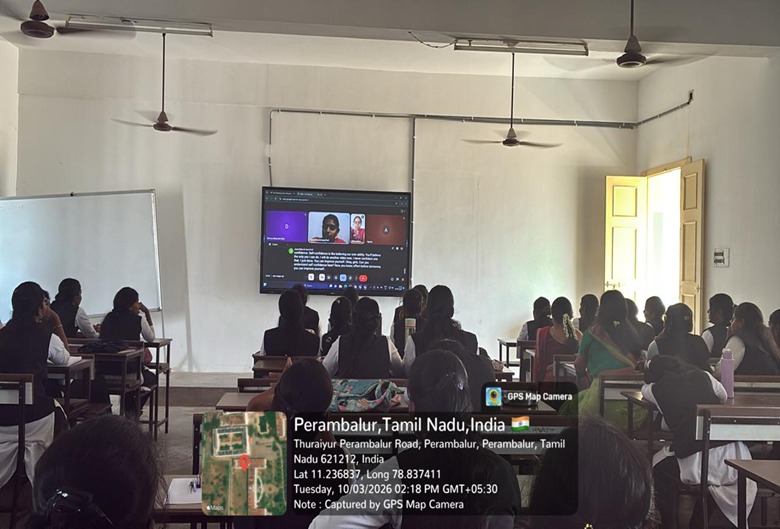
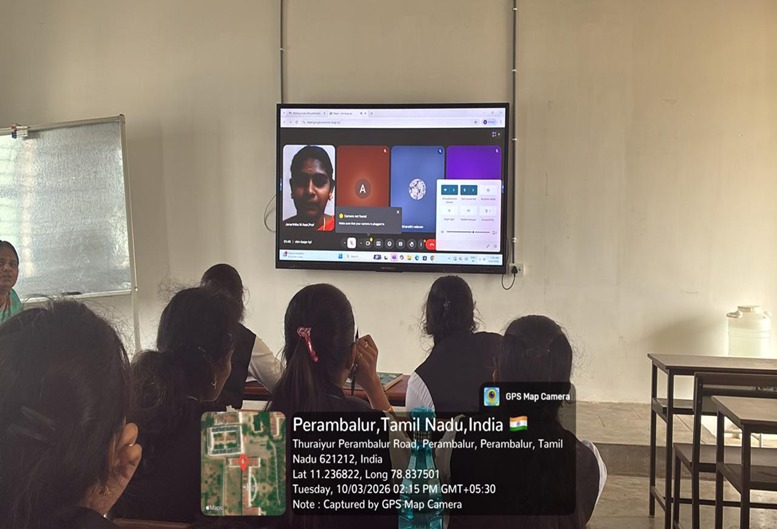
A special lecture on “The Power of Positive Thinking and Effective Communication” was conducted on 10 March 2026 for the students with the aim of improving their personal development, communication skills, and confidence. The session was delivered by Ms. Janarthika M, Assistant Professor, Sri Ramakrishna College of Arts and Science, Coimbatore, who shared her valuable knowledge and experience with the students.
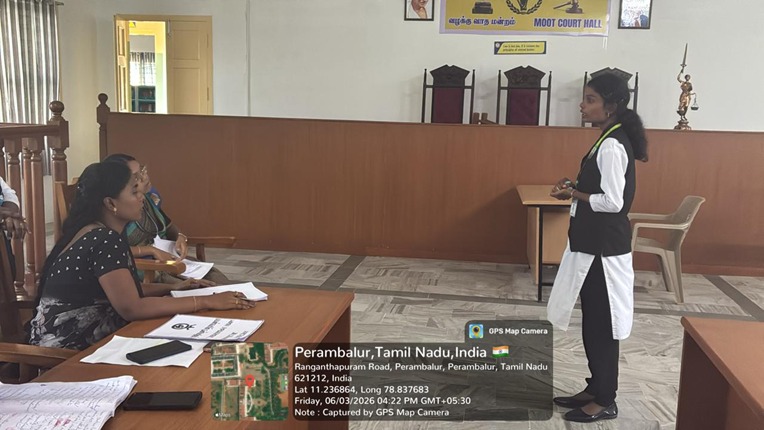
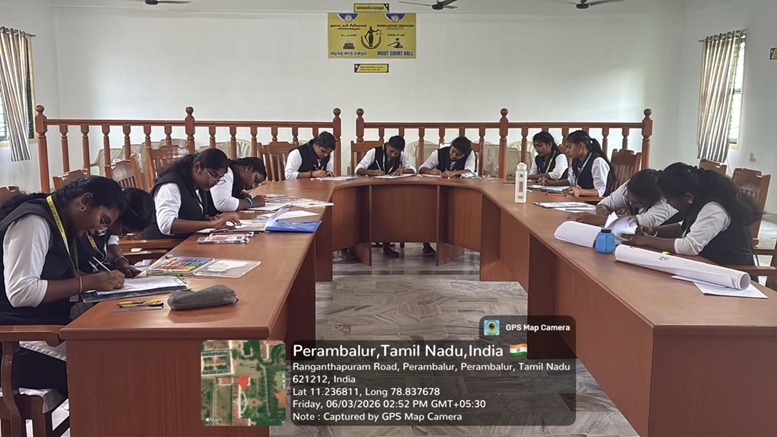
Our School of Law Celebrated Women’s Day on 06/03/2026 with various competitions to enrich the talents and skills of the students. The students participated in Essay Writing Oratory Competition, Poster competition and Drawing Competition. The students Participated with enthusiasm in all the competitions which highlighted the Women empowerment in the present era.
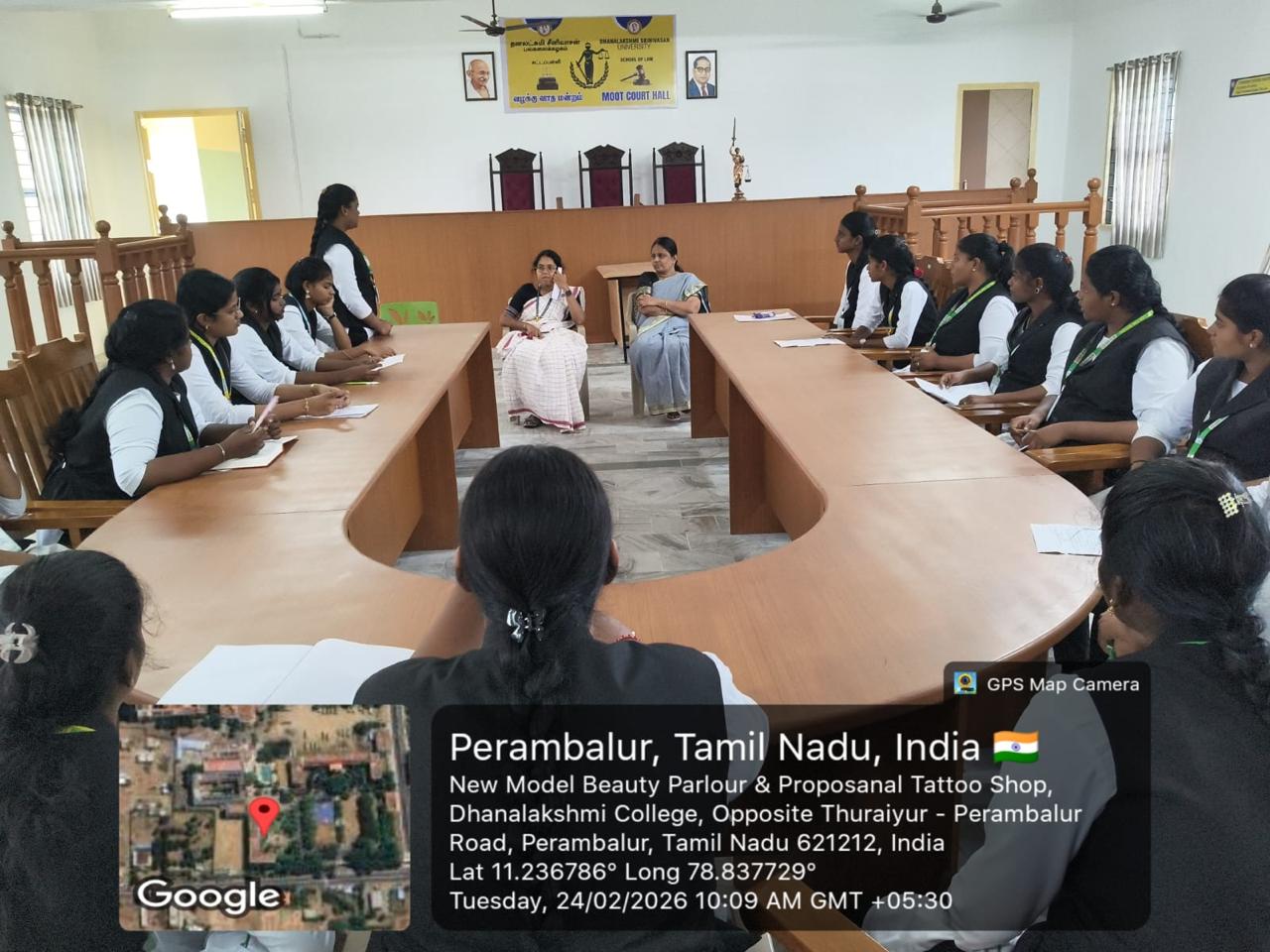
The School of Law for Women, Dhanalakshmi Srinivasan University, successfully organized an Legal Awareness Camp on 4th March 2026 at Puthunaduvalur.Both the students of B.A. LL.B. (Hons.) and B.B.A. LL.B. (Hons.) actively paricipated in the Legal Awareness Camp . The camp was conducted with the objective of solving the issues and challenges faced by the general public. Our School of Law students gave valuable speech on different areas of legal field. The faculties also participated in giving the valuable solutions to the present problems faced in the society
1.jpeg)
1.jpeg)
1.jpeg)
The School of Law for Women, Dhanalakshmi Srinivasan University, successfully organized an Intra Moot Court Competition on 3rd March 2026 for the students of B.A. LL.B. (Hons.) and B.B.A. LL.B. (Hons.). The competition was conducted with the objective of enhancing advocacy skills, improving legal research abilities, and providing practical exposure to courtroom proceedings among law students. The Intra Moot Court Competition proved to be a valuable learning experience for all participants. It not only strengthened their understanding of substantive and procedural law but also enhanced essential professional skills such as critical thinking, articulation, confidence, and teamwork. The event also encouraged healthy academic competition among students and motivated them to participate in future inter-collegiate and national-level moot court competitions.
.jpeg)
.jpeg)
.jpeg)
The English Literary Club of the School of Law successfully conducted a Debate Competition today for BA LL.B (Hons.) and BBA LL.B (Hons.) students The event was coordinated by the Faculty In-Charge, Ms. Dhivya Bharathi B. Students actively participated in thought-provoking topics such as the impact of the internet on intelligence, online vs classroom learning, the role of AI in classrooms, the necessity of homework and presentations, and whether robots will replace human jobs. The competition was highly engaging and intellectually enriching, showcasing the analytical and speaking skills of our law students. ?
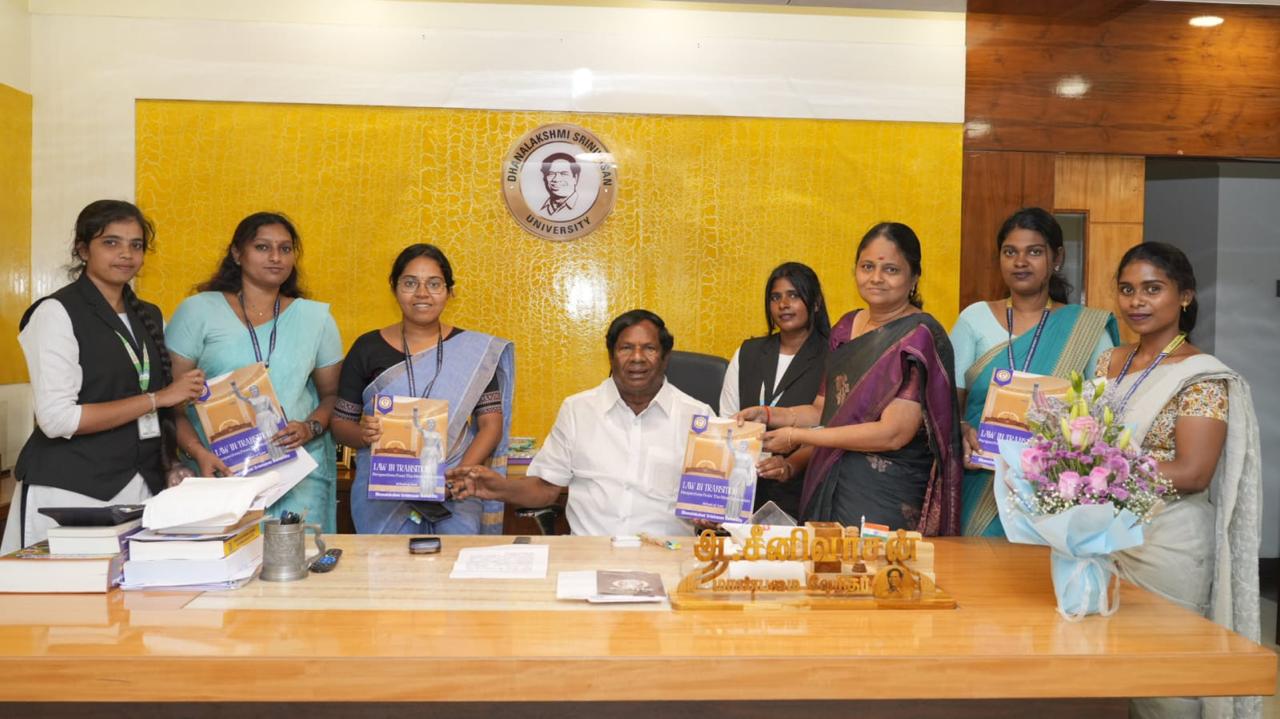
We are proud to share that 67 students of the School of Law authored scholarly articles, which have been compiled and published as a book titled “Law in Transition: Perspectives from the Next Generation.” This achievement was made possible under the valuable guidance and constant support of our faculty members. Their mentorship and encouragement played a crucial role in shaping the research and refining the articles. We are delighted and honored to have received the published book from our Honorable Chancellor. It was a proud and memorable moment for all the students and faculty members involved in this academic milestone
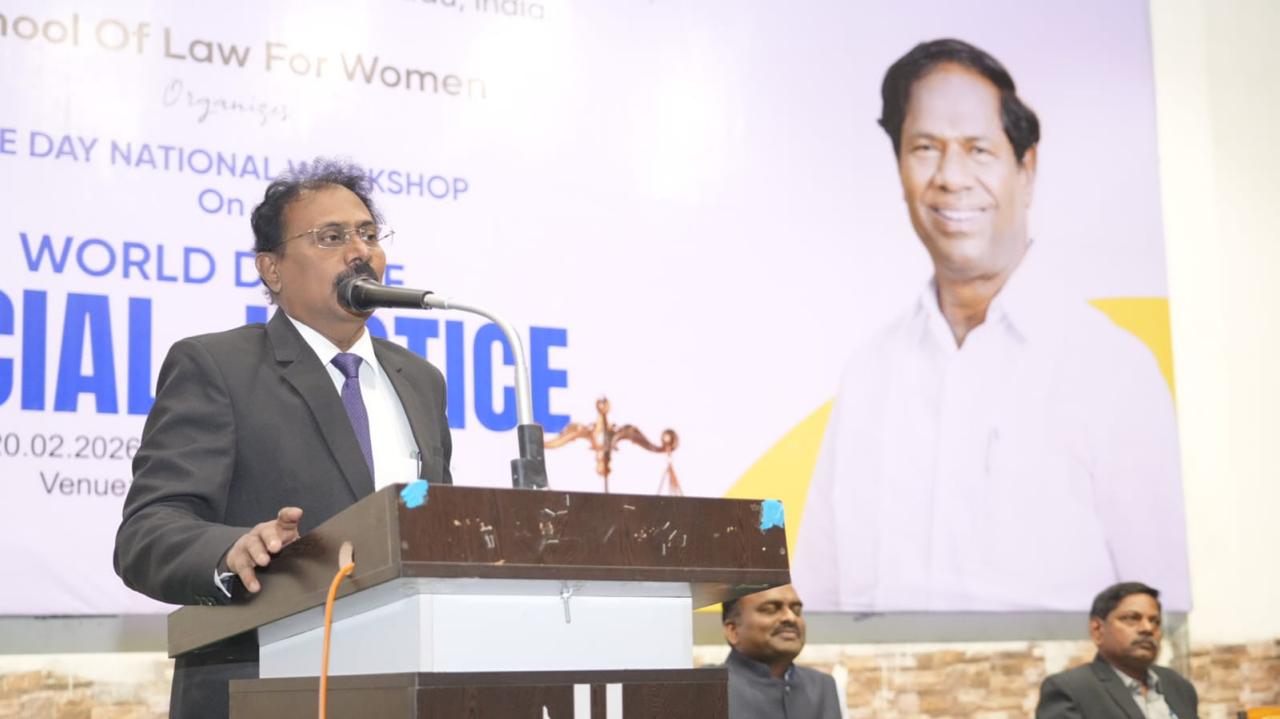
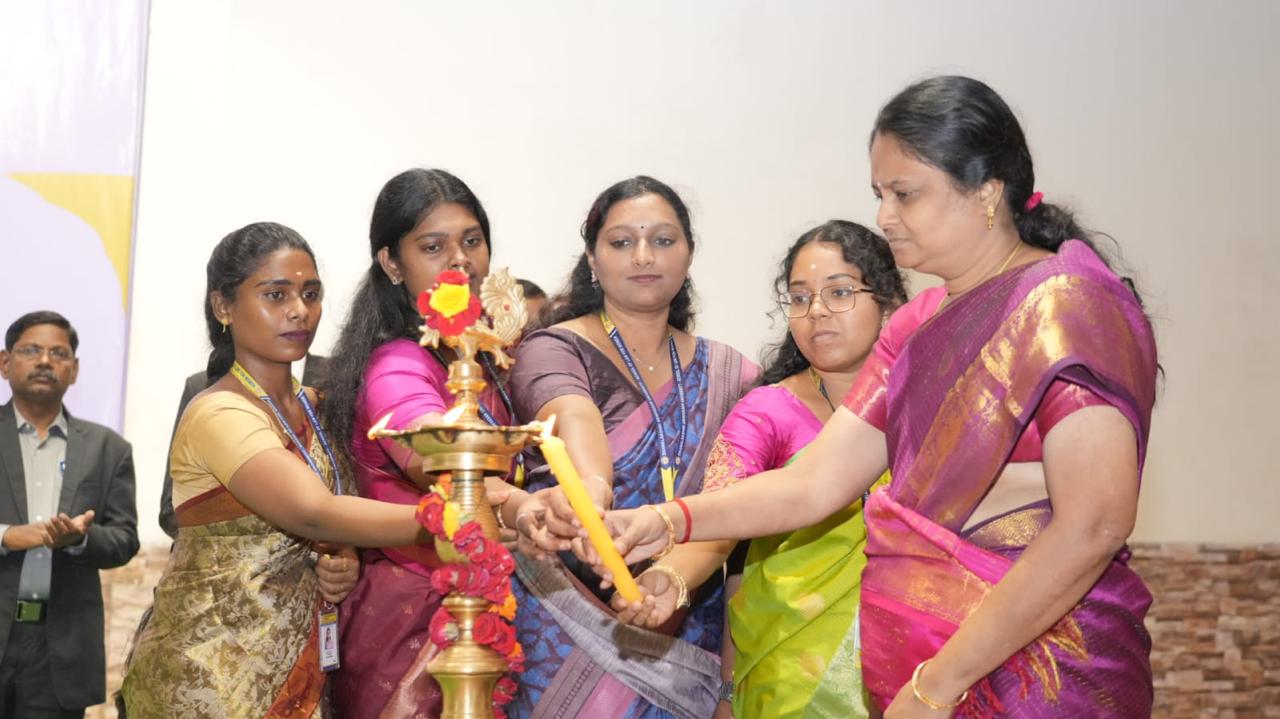
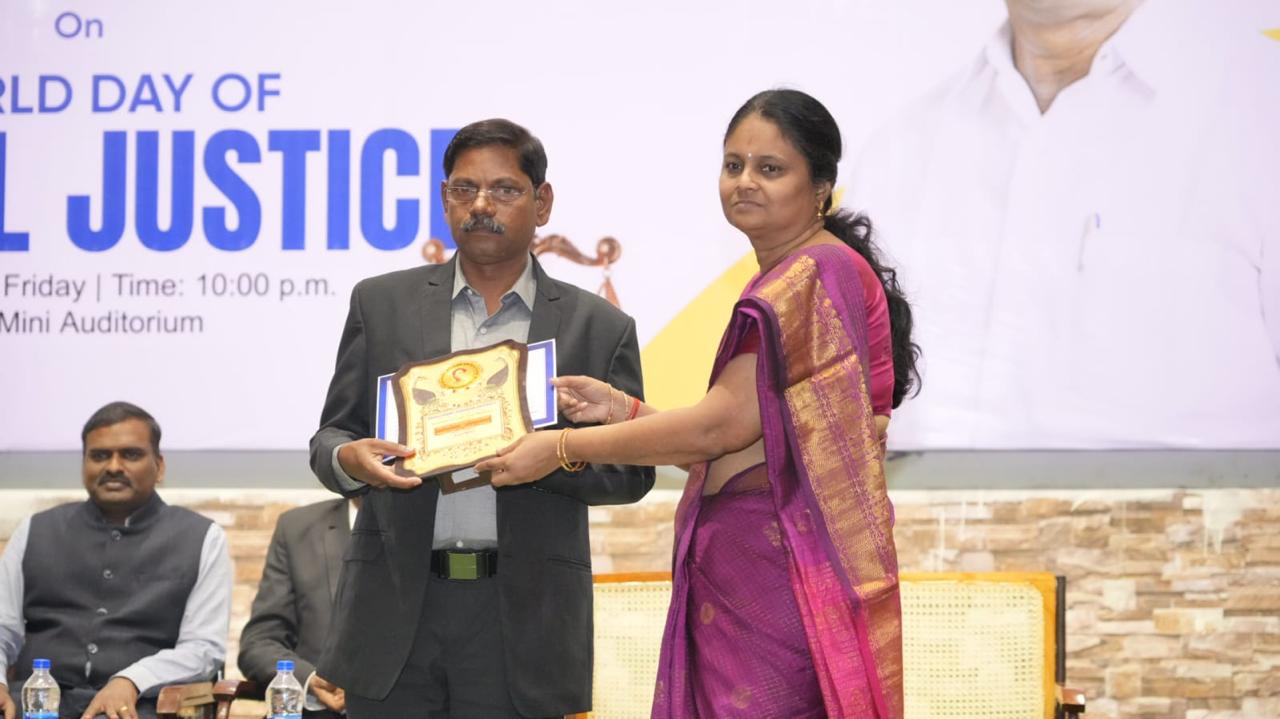
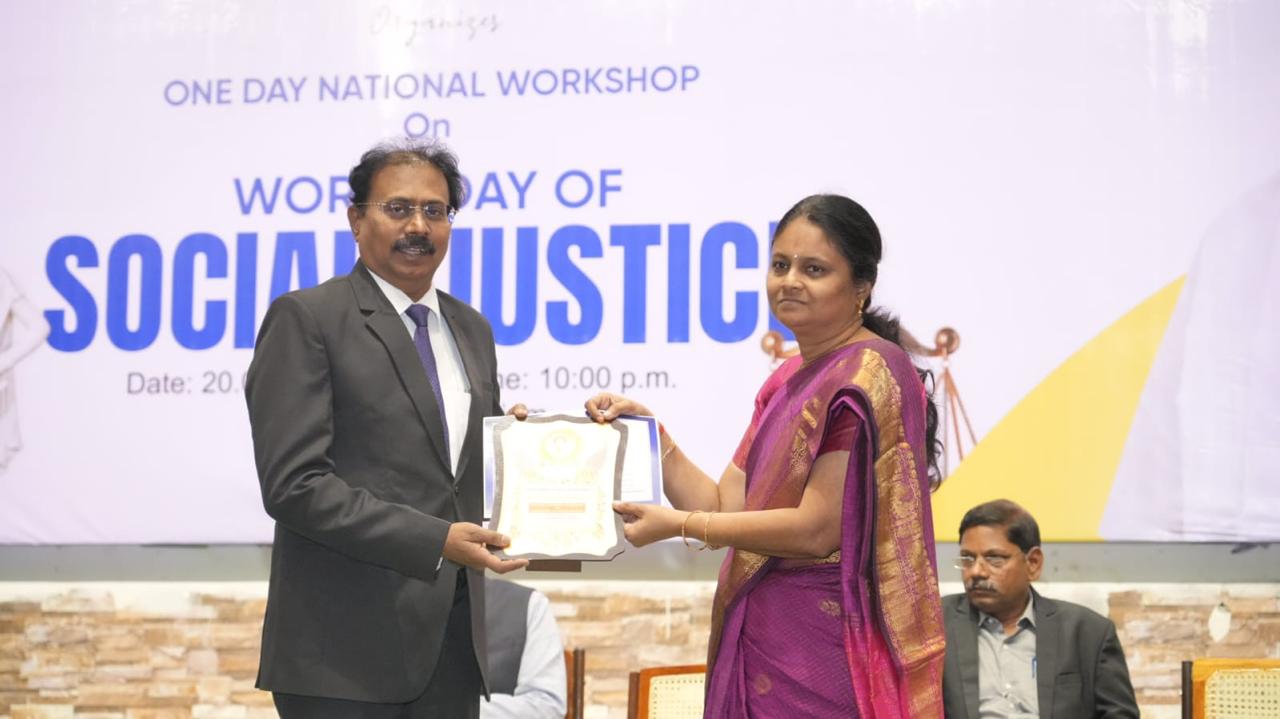
The School of Law for Women, Dhanalakshmi Srinivasan University, successfully conducted a One Day National Workshop on the occasion of World Day of Social Justice on 20th February 2026. The programme was graced by Prof. (Dr.) S.M. Balakrishnan, Registrar, Tamil Nadu National Law University, Tiruchirappalli, who delivered the Chief Guest Address on “Empowering Inclusion – Bridging the Gaps in Social Justice.”The Resource Persons, Prof. Dr. M. Sakthivel and Dr. B. Vetrivel, delivered insightful sessions on “Access to Justice and Legal Aid: Bridging the Gap for Marginalized Communities” and “Criminal Justice System and Social Justice: Protecting the Rights of the Vulnerable” respectively. The event witnessed active participation from faculty members and students, making it a great success.
.jpeg)
.jpeg)
.jpeg)
.jpeg)
Our School of Law organised a one day National workshop on the occasion of Human Rights day on Dec 10,2025 through virtual mode .Eminent Resource Persons gave their valuable insights about human rights and their values.The Resource persons Dr.N.Kayalvizhi,Principal ,Chennai Dr,Ambedkar Govt Law College,Trivallur,Dr.S.Murugesan,Principal , Govt ,Law College ,Karaikudi and Dr.s.Rajalakshmi, Associate Professor ,HOD Department of Criminal Law,The Tamilnadu Dr.Ambedkar Law University ,Chennai gave their thought provoking speech on the occasion of Human rights day .
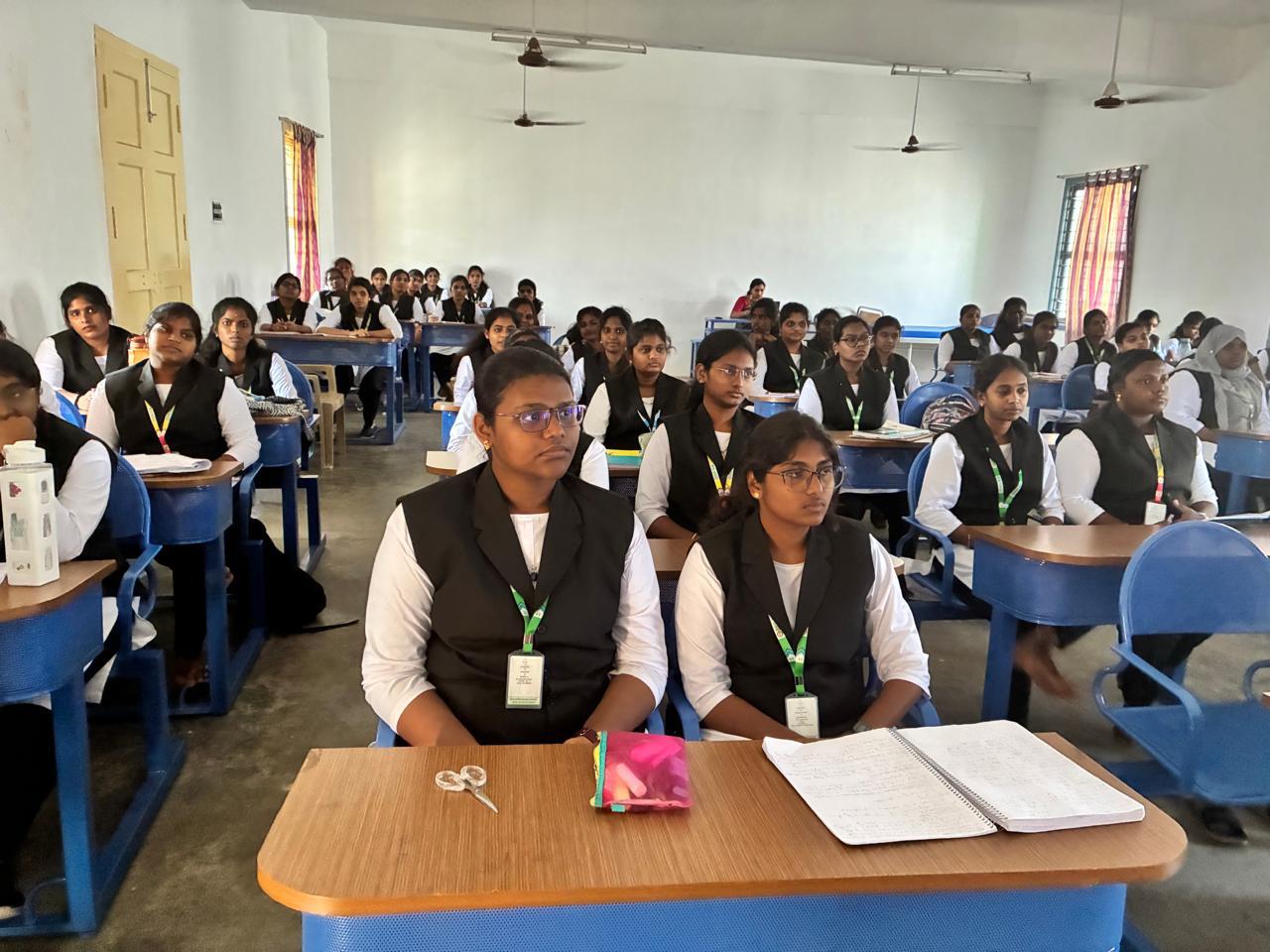
The School of Law organized a One-Day National Workshop and Human Rights Day Celebration aimed at enriching students understanding of human rights principles, contemporary challenges, and evolving legal dimensions. This academic event brought together distinguished resource persons, legal scholars, and practitioners to deliver insightful sessions on emerging issues in criminal justice, international humanitarian law, and labour rights. The workshop served as a meaningful platform to promote awareness, encourage critical thinking, and reaffirm the importance of protecting human dignity in every sphere of society. Through this initiative, participants gained valuable knowledge and a deeper appreciation for the role of human rights in shaping a just and equitable world. Technical Session 1 Resource Person: Dr. S. Rajalakshmi, Head, Department of Criminal Law and Criminal Justice Administration, The Tamil Nadu Dr. Ambedkar Law University, Chennai As part of Human Rights Day celebrations, the School of Law organized the first session of a three-part online special lecture series. The opening session was delivered by the esteemed Dr. S. Rajalakshmi, who addressed the crucial yet often overlooked topic of Protecting the Rights of Incarcerated Mothers and Their Children. This session highlighted the significance of safeguarding dignity, equality, and humane treatment within the criminal justice system, especially for vulnerable women prisoners and their children Dr. Rajalakshmi began by emphasizing that incarcerated mothers remain one of the most invisibilized groups in society. She discussed the multiple vulnerabilities they face, including poverty, trauma, lack of education, and gender-based disadvantages. The speaker stressed that their reproductive and mental health needs are frequently neglected in prison environments. A major part of the lecture focused on pregnancy and childbirth within custody. Dr. Rajalakshmi explained that prisons have a legal and moral obligation to provide adequate prenatal and postnatal care, safe delivery environments, proper medical support, and breastfeeding facilities. She highlighted how the absence of these essentials directly violates constitutional and human rights standards. She further addressed the living conditions in women’s prisons, noting challenges such as overcrowding, poor sanitation, inadequate nutrition, and limited access to healthcare. Dr. Rajalakshmi emphasized the need for gender-sensitive infrastructure and proper accountability mechanisms. Another key segment discussed the impact of imprisonment on children. She explained how young children residing with their mothers in prison face developmental delays, emotional distress, and limited social interaction. Older children who are separated from their mothers experience trauma, anxiety, and attachment issues. The speaker underscored the importance of early childhood support and child-centric prison policies. The legal framework was also elaborated, covering international standards such as the Nelson Mandela Rules, Bangkok Rules, and the Convention on the Rights of the Child, along with Indian constitutional provisions and relevant Supreme Court judgments. The implementation gap between law and practice was identified as a major concern. Prisons must uphold the dignity and human rights of women, especially when they are pregnant or caring for infants. Children living in prison should not be treated as prisoners; their developmental needs must be prioritized. Tamil Nadu Prison Rules allow children to stay with mothers up to six years, but consistent implementation is necessary. Alternatives to incarceration, such as community service, probation, and supervised release, should be considered for mothers with young children. International models offer useful lessons for creating child-friendly prison environments and supporting reintegration. Dr. Rajalakshmi concluded that the criminal justice system must adopt a compassionate approach that protects mothers without compromising the rights and well-being of their children. She emphasized that Human Rights Day serves as a reminder that imprisonment should never translate into the loss of dignity, care, and humane treatment. Her session set a strong foundation for the lecture series by encouraging participants to think critically about justice, empathy, and human dignity. Technical Session 2 Resource Person: Prof. Dr. N. Kayal Vizhi, Principal, Chennai Dr. Ambedkar Government Law College, Pattaraiperumpudur, Chennai Topic: Human Innovation in Modern Warfare Under International Humanitarian Law The second session of the Human Rights Day online lecture series was delivered by Prof. Dr. N. Kayal Vizhi, an eminent academician and respected Principal of Chennai Dr. Ambedkar Government Law College. Her session focused on a critical and highly relevant topic: “Human Innovation in Modern Warfare under International Humanitarian Law (IHL).” This lecture explored how rapid technological advancements in warfare challenge existing humanitarian protections and global legal frameworks. Prof. Dr. Kayal Vizhi began by explaining how warfare has drastically evolved from traditional combat to technologically driven operations involving drones, autonomous weapons, cyber warfare, and artificial intelligence. She highlighted that while innovation has increased efficiency in military operations, it has simultaneously created new risks for civilians, combatants, and the international community. The lecture emphasized the role of International Humanitarian Law (IHL), particularly the Geneva Conventions, in regulating modern forms of warfare. She explained that IHL aims to limit human suffering by ensuring principles such as distinction, proportionality, necessity, and humanity even during conflicts. Prof. Kayal Vizhi discussed key concerns arising from modern warfare innovations, such as: Autonomous weapons systems making life-and-death decisions without human control. Drones and air strikes causing unintended civilian casualties. Cyber warfare targeting hospitals, power grids, and civilian infrastructure. AI-assisted warfare raising questions on accountability, ethics, and legality. She stressed that although technology advances rapidly, legal systems move slowly, creating a gap between modern military practices and humanitarian protections. The need for stronger global treaties, stricter regulations, and human oversight was repeatedly emphasized. Prof. Dr. Kayal Vizhi concluded her lecture by stating that innovation must serve humanity, not endanger it. She emphasized that the future of global peace depends on responsible use of technology, strict adherence to IHL, and international cooperation. The session provided students with a deeper understanding of the intersection between technology, law, and human rights in modern warfare. Technical Session 3 Resource Person:Dr. S. Murugesan, Principal, Government Law College, Karaikudi Topic: Dimensions of Human Rights Assuring Labour Rights The third session of the Human Rights Day online lecture series was delivered by Dr. S. Murugesan, Principal of Government Law College, Karaikudi. His session focused on the vital topic “Dimensions of Human Rights Assuring Labour Rights,” highlighting how human rights principles form the foundation for protecting workers’ dignity, safety, and equality. This session provided a comprehensive understanding of the legal, social, and ethical dimensions of labour rights in India and globally. Dr. Murugesan began by explaining that labour rights are not just statutory entitlements but fundamental human rights essential for the dignity and well-being of every worker. He emphasized that fair wages, safe working conditions, social security, and freedom from exploitation are cornerstones of human dignity under Human Rights Law. He discussed various dimensions of labour rights including, right to just and favourable working conditions, right to equal pay for equal work, right to form unions and engage in collective bargaining, Protection against forced labour and child labour, right to social security and welfare benefits The speaker also highlighted how international conventions such as the Universal Declaration of Human Rights (UDHR) and International Labour Organization (ILO) standards play a crucial role in shaping national labour policies. Moving to the Indian context, Dr. Murugesan explained key constitutional provisions such as Articles 14, 19, 21, 23, and 24 that safeguard labour rights. He also referred to the labour codes recently enacted in India, which aim to simplify and strengthen labour law protections. Dr. S. Murugesan concluded by stating that societies progress only when workers are protected, valued, and respected. Upholding labour rights is not only a legal obligation but a moral responsibility tied to human dignity. His session offered a strong and informative closing to the Human Rights Day lecture series, leaving participants with a deeper appreciation of the link between human rights and labour justice. The One-Day National Workshop and Human Rights Day Celebration concluded with a deep sense of purpose, reflection, and renewed commitment to the protection of human dignity. The insightful sessions delivered by distinguished speakers enriched participants with valuable perspectives on contemporary human rights challenges and the legal responsibilities that accompany them. The programme successfully created a space for meaningful discussion, critical thinking, and academic engagement, empowering students to understand the importance of human rights in every sphere of society. As the day came to a close, it reinforced the belief that the promotion and protection of human rights is not merely an academic pursuit but a collective ethical duty. The workshop inspired all attendees to uphold these principles and carry forward the spirit of justice, equality, and compassion in their future endeavours.


Resource Person: Dr. M. S. Sharmila, Head of the Department - LLM, School of Law, VIT College, Chennai The Women Empowerment Cell of the School of Law, Dhanalakshmi Srinivasan University, organised a special online lecture on 9th December 2025 focusing on the theme Empowering Women Through Effective Laws: Judicial Interventions from Vishaka to the Post-Nirbhaya Era -Transforming Violence into Rights. The lecture was delivered by Dr. M. S. Sharmila, an eminent academician and the HOD of the LLM Department, VIT School of Law, Chennai. The session aimed to create awareness among law students about the critical role of the judiciary in safeguarding womens rights, addressing gender-based violence, and strengthening mechanisms for justice and equality. This programme formed part of the Women Empowerment Cells initiative to educate students on gender justice, legal protections available to women, and the evolution of jurisprudence concerning womens safety and dignity in India. The session began with an overview of the concept of women empowerment, which Dr. Sharmila described as the process of enabling women to enjoy equal rights, opportunities, and a greater voice in society. She emphasised that empowerment extends beyond socio-economic upliftment-it includes strengthening women's self-worth, expanding their freedom of choice, ensuring access to resources, and eliminating structural inequalities in society. Students were reminded that empowerment is both a personal journey and a collective responsibility, closely linked to legal reforms and societal transformation. A major portion of the lecture focused on the landmark judicial decisions that reshaped the legal landscape regarding womens safety in India. Dr. Sharmila explained the historical background of the Vishaka & Ors. v. State of Rajasthan (1997) case, which arose following the brutal gang rape of Bhanwari Devi, a social worker assaulted for resisting child marriage in her village. Despite facing severe social ostracism, Bhanwari Devi continued her pursuit of justice, demonstrating extraordinary courage. The Supreme Courts response to this injustice became a powerful moment in legal history. In the absence of specific legislation on workplace sexual harassment, the Court issued the Vishaka Guidelines, recognizing sexual harassment as a violation of womens fundamental rights under Articles 14, 15, and 21. These guidelines became binding law across India until the enactment of the 2013 POSH Act. Dr. Sharmila highlighted that Vishaka stands as a classic example of judicial activism, where the judiciary filled a legislative vacuum to protect womens dignity. She briefly connected the Vishaka era to the reforms that followed the 2012 Nirbhaya case, where widespread public outrage led to the Criminal Law (Amendment) Act, 2013, expanding definitions of sexual offences and strengthening punishments. The judiciary's continuous intervention-from fast-track courts to victim-centric approaches-played a significant role in shaping safer legal frameworks for women. The session was highly interactive, with students actively participating in discussions on gender justice, real-life case studies, and the challenges that persist despite progressive laws. Many students raised questions regarding workplace harassment, the implementation of the POSH Act, the role of educational institutions in prevention, and the need for stronger support systems for victims. Dr. Sharmila appreciated the students’ curiosity and encouraged them to approach women’s rights issues not only academically but also with empathy, sensitivity, and social responsibility. Key Takeaways of the session are Women empowerment is rooted in legal awareness, social change, and individual confidence. Judicial activism has historically played a major role in protecting womens rights in India. The Vishaka Guidelines formed the foundation for statutory protection against workplace sexual harassment. Post-Nirbhaya reforms have strengthened laws but effective implementation remains crucial. Law students must understand evolving jurisprudence to contribute to a gender-just society. The special online lecture by Dr. M. S. Sharmila served as an enlightening and impactful learning experience for the students of the School of Law. By tracing the journey from Vishaka to the Post-Nirbhaya era, the lecture highlighted how the judiciary has been instrumental in transforming instances of violence into strong legal rights and protections for women. The programme reinforced the importance of legal education in promoting gender equality and further strengthened the commitment of the Women Empowerment Cell to continue organising initiatives that foster awareness, empowerment, and responsible citizenship among students.


The School of Law for Women, Dhanalakshmi Srinivasan University, organized an enlightening Special Lecture on Communication on [05.11.25] as part of its continuous efforts to enhance the communication skills of law students. The lecture primarily focused on the elements of intonation, such as falling tone, rising tone, syllable stress, and modulation, which play a vital role in effective spoken communication. The resource person for the session was Ms. Pavithra, Assistant Professor, Department of Agriculture, Dhanalakshmi Srinivasan University. Though belonging to a different discipline, Ms. Pavithra s expertise in communication and linguistic nuances brought a unique perspective to the session. She emphasized how intonation and pronunciation directly influence clarity, persuasion, and expression-skills particularly essential for law students in their future professional interactions, such as courtroom presentations and client communication. During her lecture, Ms. Pavithra explained the importance of intonation in conveying emotions and intentions beyond mere words. She elaborated on the difference between rising and falling tones, providing everyday examples to help students identify how tone can alter the meaning of a sentence. The session also covered syllable division and stress, highlighting how the placement of stress in words can change meaning and comprehension. The students participated enthusiastically, engaging in practical activities that involved reading passages aloud with different intonation patterns. Ms. Pavithra also conducted short oral drills to improve articulation, pronunciation, and rhythm in speech. These interactive exercises made the session highly engaging and effective. The lecture concluded with a question-and-answer session, where students clarified their doubts and shared their learning experiences. The faculty members appreciated Ms. Pavithra for her insightful presentation and her efforts to make complex linguistic concepts accessible and enjoyable. The event was coordinated by the faculty of the School of Law for Women, under the guidance and encouragement of the Dean, who expressed gratitude to the resource person for delivering such an informative and practical session. The lecture proved to be highly beneficial for the students, strengthening their understanding of spoken communication and enhancing their confidence in public speaking.


The School of Law for Women, Dhanalakshmi Srinivasan University, conducted a Special Lecture on Communication with a specific focus on Phonetics on 4th November 2025. The session was delivered by Ms. Pavithra, Assistant Professor from the Department of Agriculture, Dhanalakshmi Srinivasan University. The objective of this special lecture was to strengthen the communication skills of law students, with a particular emphasis on pronunciation, articulation, and clarity of speech — vital elements for aspiring legal professionals. Ms. Pavithra, in her engaging session, explained the basic concepts of phonetics, including speech sounds, stress, rhythm, and intonation. She highlighted how effective communication can significantly enhance confidence and credibility in legal presentations, client interactions, and courtroom proceedings. During the session, Ms. Pavithra incorporated practical examples and interactive exercises to make the concepts more relatable and understandable. Students enthusiastically participated in the pronunciation drills and discussions, which helped them identify and correct common speech errors. The lecture not only improved their awareness of phonetic principles but also motivated them to apply these techniques in their daily communication practices. The session was highly appreciated by both students and faculty members for its clarity, relevance, and practical approach. It served as a valuable learning experience, bridging the gap between theoretical knowledge and practical communication skills.


The School of Law, Dhanalakshmi Srinivasan University, Perambalur, successfully organized a special lecture on Communication for its students as part of its academic enrichment initiatives. The session was designed to enhance the soft skills of budding legal professionals, recognizing that communication plays a pivotal role in both personal development and professional success. The resource person for the session was Dr. Mohana, Assistant Professor, SET College, DS University, Perambalur, who is well known for her expertise in communication studies and student-centered teaching. She delivered an insightful, engaging, and interactive talk focusing on the essentials of effective communication. At the outset, Dr. Mohana emphasized the fundamental role of communication in today’s competitive world. She explained that for law students in particular, mastering the art of clear and confident communication is essential for courtroom advocacy, client counseling, negotiations, and professional networking. She elaborated on four critical aspects of communication: Pronunciation – the correct way of speaking words with appropriate sounds, stress, and intonation. She noted that incorrect pronunciation often distorts meaning and reduces clarity. Enunciation – speaking with distinctness and clarity so that each word is easily understood. According to her, enunciation avoids ambiguity and improves the credibility of the speaker. Articulation – the ability to produce sounds, syllables, and words clearly and fluently. She stressed that articulation is vital for conveying ideas with precision. Projection – the ability to deliver speech with the right tone and volume, making it impactful and audience-friendly. By breaking down these components, Dr. Mohana made students aware of the technical and practical dimensions of communication. These exercises not only created an enjoyable learning atmosphere but also encouraged students to step out of their comfort zones and actively practice their speaking skills. Many participants expressed that these simple yet effective techniques gave them confidence to improve their communication abilities. Dr. Mohana also connected the theme of communication to the field of law. She explained that lawyers and law students must learn to communicate persuasively, whether addressing a judge, explaining legal concepts to clients, or collaborating with peers. She highlighted that good communication is not just about speaking, but also about listening attentively, interpreting body language, and using non-verbal cues. She reminded students that legal professionals are judged not only by the strength of their arguments but also by their ability to deliver them with confidence, clarity, and professionalism. Thus, developing communication skills early during student life provides a strong foundation for their careers. The lecture was highly appreciated by the students. Many of them noted that the practical techniques introduced during the session were easy to adopt and could be practiced daily. The lively teaching style of the resource person ensured active engagement and participation throughout. Students were motivated to work consciously on their pronunciation, articulation, and projection, realizing that effective communication is a continuous process of self-improvement. The event concluded with a formal vote of thanks, acknowledging Dr. Mohana for her valuable time and contribution. The organizers expressed gratitude to the School of Law for arranging such skill-oriented sessions that bridge the gap between classroom learning and real-world professional needs. The special lecture on communication was both educational and enjoyable, providing students with meaningful insights into the importance of communication in everyday life as well as in their legal profession. The blend of theory, demonstrations, and interactive exercises made the session dynamic and memorable. This initiative not only enriched the academic environment of the School of Law but also equipped students with practical tools to improve their communication skills, which are indispensable for their academic excellence, career growth, and personal development.

The School of Law, Dhanalakshmi Srinivasan University, officially commenced its Legal Aid Cell today with the objective of providing free legal assistance to individuals in need and promoting access to justice. The inaugural session was facilitated by Dr. P. Angayarkanni, Dean, School of Law, along with Assistant Professor Agnes Amala Anitha T, who together offered legal consultation to the visitors.


The School of Law organised a vibrant Freshers Day Celebration to warmly welcome the new batch of BA LLB (Hons) and BBA LLB (Hons) students for the academic year. The event featured an energetic and culturally rich sequence of performances that showcased the exceptional talents of the students in dance and music. The cultural lineup concluded with a soulful and graceful Thanksgiving Bharatanatyam performance by Keerthiga Sivi, marking a fitting end to the celebration. Overall, the Freshers Day programme created an atmosphere of joy, unity, and creative expression, with students exhibiting remarkable enthusiasm, talent, and confidence, making it a memorable beginning to their journey at the School of Law.As part of the concluding session of the days events, Dr. B. Mohandoss, Senior Advocate and renowned expert in Labour and Service Laws, delivered an insightful Special Lecture on Freedom of Speech and Expression under Article 19(1)(a) of the Indian Constitution. He explained the profound significance of this fundamental right in preserving democratic discourse, individual liberty, and the free exchange of ideas. Dr. Mohandoss elaborated on the scope of freedom of speech and the constitutional framework that protects citizens rights to express opinions without fear or undue restriction. At the same time, he discussed the reasonable restrictions under Article 19(2), highlighting how the law balances individual freedoms with national security, public order, morality, and sovereignty. Drawing upon landmark judgments and contemporary case studies, he emphasised how courts have interpreted free speech in the context of social media, political expression, artistic creativity, and academic freedom. His lecture provided students with a deep understanding of the evolving challenges surrounding free speech in the digital age and encouraged them to uphold constitutional values responsibly. The session was highly informative and served as an inspiring conclusion to the academic and cultural celebrations of the day. The days proceedings concluded with all dignitaries, faculty members, and students standing in unity for the National Anthem, marking a dignified and patriotic closure to the celebrations. The singing of the National Anthem reflected the spirit of constitutional commitment and national pride, bringing the Constitution Day observance and Freshers Day festivities to a meaningful and respectful end. The combined academic sessions and cultural performances made the event memorable, enriching, and inspiring for the entire School of Law community.


The School of Law, Dhanalakshmi Srinivasan University, commemorated Constitution Day on 26 November 2025 at the Mini Auditorium with great enthusiasm and academic spirit. Constitution Days, celebrated annually to honour the adoption of the Indian Constitution on 26 November 1949 and to pay tribute to Dr. B. R. Ambedkar, the principal architect of the Constitution. The event aimed to create constitutional awareness among students, highlight the significance of constitutional values, and foster deeper understanding of India s democratic framework.The programme commenced with the rendering of the Tamil Thaai Vaalthu, setting a dignified and culturally enriched tone. This was followed by the traditional lighting of the lamp, symbolising knowledge, harmony, and academic enlightenment. The lamp was lit by Dr. P. Angayarkanni, Dean, School of Law, along with the esteemed Chief Guests, marking the formal inauguration of the celebration. Following this, Dr. P. Angayarkanni, Dean, School of Law, delivered the Welcome Address. She warmly greeted the dignitaries, faculty members, students, and guests, highlighting the importance of Constitution Day and reiterating the responsibility of every law student to uphold constitutional morality, justice, equality, and liberty. She emphasised that understanding the Constitution is essential for building a just and responsible society. As part of the Constitution Day observance, all faculty members, students, and dignitaries solemnly took the Constitution Day Pledge, reaffirming their commitment to uphold the values, duties, and principles enshrined in the Constitution of India. As a gesture of respect and appreciation, the Chief Guests were honoured by Dr. P. Angayarkanni, reaffirming the university’s commitment to academic collaboration and intellectual engagement.The first keynote session was delivered by Dr. B. Mohandoss, whose insightful lecture provided an in-depth exploration of the foundational values embedded in the Indian Constitution. He elaborated on principles such as sovereignty, secularism, equality, fraternity, rule of law, justice, and the significance of the Preamble as the guiding spirit of the Constitution. Dr. Mohandoss explained how constitutional values shape governance, protect democratic integrity, and influence the functioning of the legal system. His discourse was rich with illustrations from case laws and real-life legal experiences, offering students a practical understanding of constitutional interpretation.The second lecture was delivered by Dr. Kamban Socrates, who examined the intricate relationship between the Constitution and India’s criminal justice framework. He highlighted how fundamental rights, due process values, and judicial precedents play a crucial role in ensuring fairness in criminal administration. Dr. Socrates also discussed constitutional safeguards such as Article 20, Article 21, Article 22, and landmark judgments that transformed criminal jurisprudence. His engaging presentation provided students with clarity on how constitutional mandates act as a protective shield for individuals within the justice system.The third session was addressed by Dr. S. Vijayan, who provided a thought-provoking analysis of modern constitutional challenges and emerging trends in public law. His lecture focused on issues such as judicial activism, federal dynamics, constitutional amendments, and the role of citizens in safeguarding democratic institutions. Through comparative insights and recent legal developments, he encouraged students to critically examine the evolving constitutional landscape. The programme concluded with the Vote of Thanks delivered by Ms. Agnes Amala Anitha, Assistant Professor, School of Law, Dhanalakshmi Srinivasan University. She expressed sincere gratitude to the distinguished speakers, the Dean, faculty members, administrative staff, and students for their active participation and support in making the event a grand success. The Constitution Day celebration ended with the National Anthem, fostering a sense of pride and unity among the attendees. The event successfully served its purpose of educating students about the spirit, philosophy, and functioning of the Indian Constitution. Through scholarly lectures and interactive discussions, the programme inspired the young legal minds to uphold constitutional values and contribute meaningfully to the legal fraternity and society.


The School of Law, Dhanalakshmi Srinivasan University successfully conducted its Intra-Moot Court Competition I on 22 November 2025 at the Moot Court Hall, School of Law Campus. The event aimed to strengthen the advocacy skills, legal reasoning, and courtroom etiquette of students from B.A. LL.B. (Hons.) and B.B.A. LL.B. (Hons.) programmes. Students from both courses participated with enthusiasm and professionalism.A total of 22 teams, each consisting of three members, took part in the competition. Moot problems were provided beforehand, enabling students to prepare their memorials and oral arguments effectively. Participants argued for both petitioner and respondent sides, showcasing their legal research, analytical ability, and persuasive speaking skills. The competition was judged by Dr. P. Angayarkanni, Dean, School of Law, Dhanalakshmi Srinivasan University, whose expert evaluation and motivating remarks added immense value to the event. The students' preparation and performance were guided and refined under the dedicated training of the Faculty In-Charges Ms. Agnes Amala Anitha and Ms. Reshma Ranjith, who mentored the teams throughout the preparation stages. Participants displayed commendable clarity, confidence, and understanding of legal principles during their presentations. Based on scores awarded for memorial drafting, articulation, legal interpretation, court etiquette, and overall advocacy, the best-performing teams and best speakers were selected. The Intra-Moot Court Competition proved to be an enriching platform for aspiring law students to experience real-time courtroom practice and enhance their professional skills. The School of Law remains committed to fostering experiential learning and organizing more such academic initiatives to empower future legal professionals.


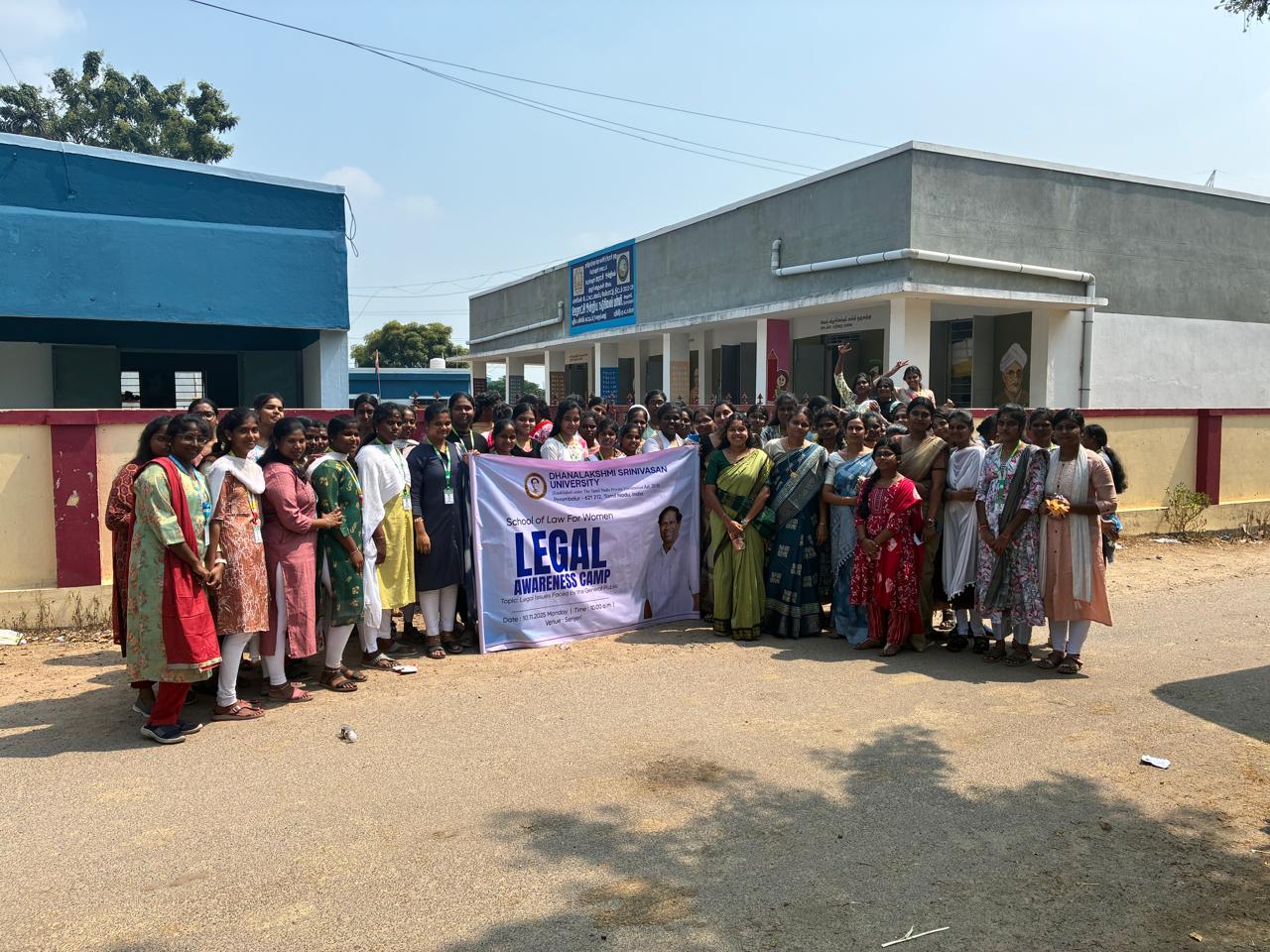
School of law for women conducted legal awareness camp at Senjeri village among public and Govt middle school,Senjeri.The program created legal awareness among the students and public about the basic rights of protection available to women ,children and the general laws related to public
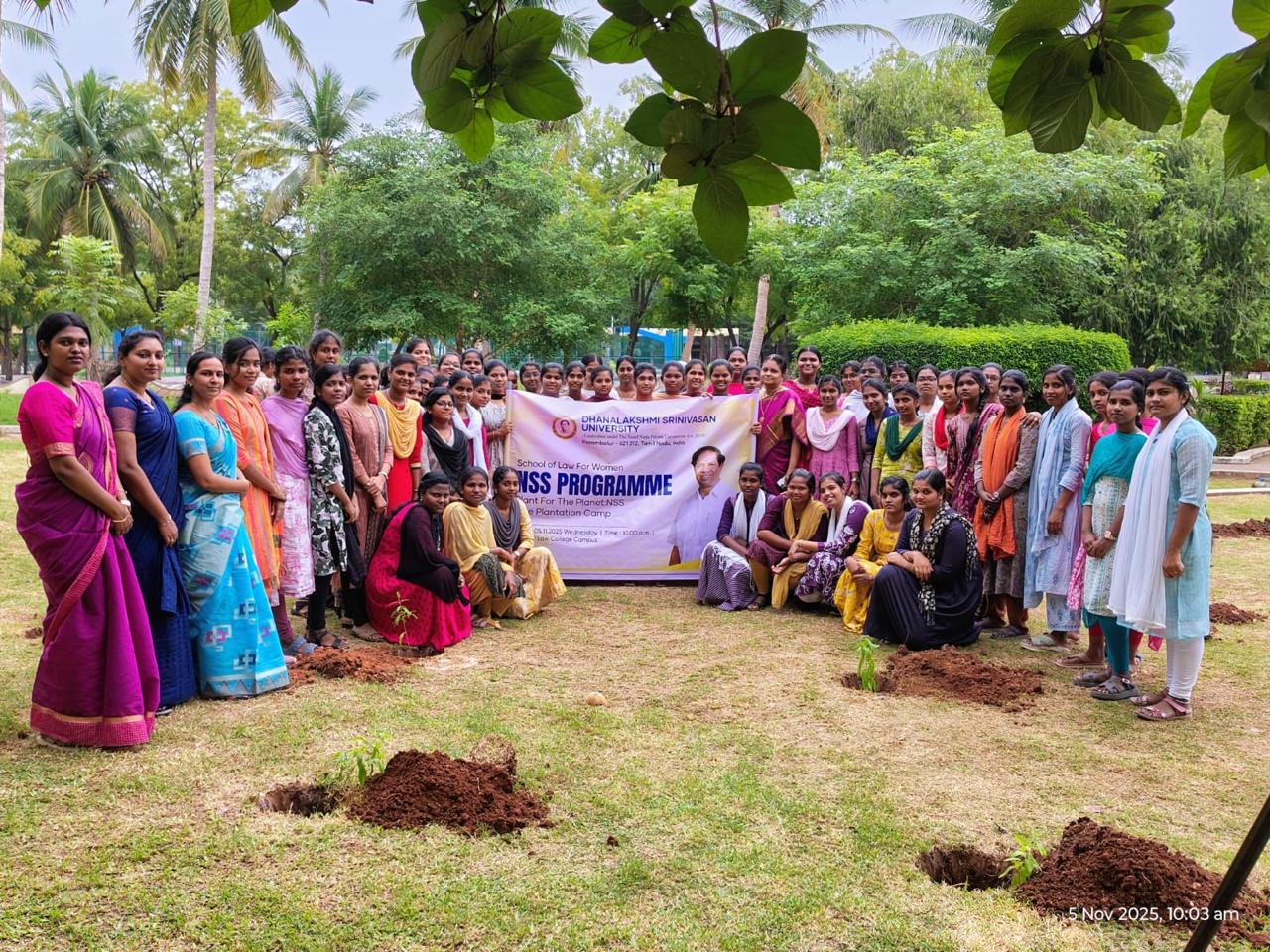
school of law for women organised NSS Programme of planting saplings for sustainability of the environment. The theme of our NSS programme is Plant for the planet. our students and faculties participated in the programme by planting the saplings. The Principal and Students of the School of Nursing also joined hands with us for this successful initiative
Dr. Rajavinayagam began the lecture by explaining the master and servant relationship, stressing that vicarious liability arises only when a wrongful act is committed within the course of employment and when a valid relationship exists between the parties. He emphasized that if the act is done outside the scope of employment, the master cannot be held responsible. He also elaborated on partnership liability, pointing out that if one partner commits a wrongful act, all partners are equally liable. The lecture further explored employers’liability in complex work structures and discussed how organizations can be held accountable for the wrongful acts of their employees. Real-life examples were discussed from educational institutions, hospitals, and religious organizations, illustrating situations where institutions could be held responsible for acts committed by their staff or doctors. Dr. Rajavinayagam also touched on corporate and digital environments, explaining how vicarious liability extends in law.The session included references to recent UK Supreme Court decisions that strengthened the connection between relationships and wrongful acts, as well as discussions on emerging laws and significant cases such as State of Rajasthan. The online session was highly interactive, with students actively participating and clarifying their doubts. It proved to be an informative and engaging experience, helping students gain a deeper understanding of the evolving scope of vicarious liability under tort law.


The School of Law for Women, Dhanalakshmi Srinivasan University, Perambalur, organized a Legal Awareness Programme on Welfare Schemes and Legislation Related to Women Empowerment on 27th September 2025 as part of its academic initiative to provide students with wider exposure to legal awareness and social responsibility. The Honorable Chief Guest, Mrs. Samundeshwari Prabha, Sub-Judge of Madurai, delivered the keynote address, focusing on the importance of laws that safeguard womens rights and ensure gender equality in society. She elaborated on significant legislations related to domestic violence, dowry prohibition, workplace harassment, property rights, and other women-centric laws that have played a vital role in strengthening womens position in the social and legal framework. In her inspiring speech, she emphasized that legal awareness is not just a subject of study but a powerful tool of empowerment for young women, urging students to use their knowledge to uphold justice and contribute towards building a fair and inclusive society. The program witnessed the gracious presence of Add. Registrar and all college principals of Dhanalakshmi Srinivasan University, which added further importance and prestige to this occasion. Their support highlighted the collective commitment of the institution towards womens empowerment and holistic education. The lecture was well received by the students, providing them with a deeper understanding of womens legal rights, practical judicial insights, and motivation to become responsible citizens and future professionals dedicated to equality. Overall, the event was a great success, leaving a lasting impact on the participants and reinforcing the vision of the university in nurturing empowered women leaders in the field of law.


On 22nd September 2025, the School of Law for Women organized a Special Lecture on Developing Communication Skills. The session was conducted by Dr. R. Mohana, Associate Professor, Srinivasan College of Engineering and Technology. The lecture mainly focused on pronunciation and enunciation as key elements of effective communication. Dr. Mohana highlighted how clarity of speech enhances confidence and credibility. She explained techniques to overcome common pronunciation difficulties. The importance of intonation, stress, and pacing in communication was emphasized. Practical tips were given for improving public speaking and professional interaction.

The Faculty Development Program focused on innovative approaches in legal education and teaching methods. Ms. Agnes Amala Anitha T highlighted the shift from traditional lectures to interactive, skill-based, and technology- integrated methods. Ms. Reshma Ranjith discussed evolving legal inquiry through interdisciplinary and technology-driven research. Mrs. Shanmathi J emphasized upgrading faculty communication to enhance student engagement and classroom effectiveness. Finally, Ms. B. Dhivya Bharathi spoke on integrating digital innovations to create personalized, accessible, and engaging learning experiences.


The fifth day of the Induction Programme featured an inspiring session by Dr. S. Amirtha Lingam, Professor & Dean of PG Academics, Tamil Nadu National Law University, Trichy, who delivered a thought-provoking lecture that deeply resonated with the students. He began by emphasizing the difference between being a minor and a major, highlighting its significance as the right to decide ones own life. He explained that the first qualification of a lawyer is the ability to question, to participate actively, and to attempt answers with confidence. Encouraging students to make a lifelong promise to keep speaking, he remarked that silence in the face of challenges only allows adversaries to win the race.

The induction program conducted by Prof. Dr. Asha Sundharam, Principal of Saveetha School of Law, emphasized the transformative journey of legal education from the classroom to the courtroom. She highlighted that law forms the foundation of society and lawyers are its architects, with legal education extending beyond the mere study of statutes to encompass justice, reasoning, and advocacy.


As part of the third day of the Induction Program organized by the School of Law for Women, Dhanalakshmi Srinivasan University, Dr. V. Prabha Sivashankar, Associate Professor at Sri Manakula Vinayagar Centre of Legal Education, Puducherry, delivered an inspiring lecture on the topic The Scales of Justice and the Strength of a Woman.Drawing from her rich academic expertise and research background, she explained how the scales of justice symbolize fairness, equality, and balance, and connected this idea to the resilience and strength that women bring into the legal profession and society at large. As part of the morning session of the third day of the Induction Program, Mrs. V. Backiam, Assistant Professor of Law at Saraswathi Law College, Tindivanam, delivered a lecture on the topic Benefits of Studying Law. Drawing on her academic expertise and research contributions, she highlighted how the study of law develops analytical reasoning, communication skills, and a strong sense of justice. She also explained the wide range of career opportunities available to law graduates, including advocacy, judiciary, corporate practice, and teaching. The session highlighted the transformative role of law in addressing social issues and promoting fairness, especially in a rapidly changing world. Ms. Rani Chandra encouraged students to recognize the significance of their role as future legal professionals in shaping society and ensuring justice. Her lecture inspired the students to approach their studies with seriousness and to use their legal knowledge as a powerful instrument for positive change. The third day of the Induction Program proved to be highly engaging and insightful, combining both intellectual and wellness-oriented activities.


The first session of the day was delivered by Mr. Chandrachowdary, who addressed the students on the topic Developing Communication Skills to Enhance Advocacy Skills. He highlighted the pivotal role of effective communication in the legal profession, emphasizing how clarity of thought and expression are the foundation of successful advocacy. The special lecture on Womens Rights in Law by Dr. M. Meikeerthi, Associate Professor of S.K.P. Law College, Thiruvannamalai, held on 02.09.2025, highlighted the legal, social, and constitutional safeguards available to women in India. The lecture began with inspiring quotes from Swami Vivekananda, Hillary Clinton, and Jawaharlal Nehru, emphasizing that womens empowerment is crucial for national progress. It covered international frameworks like CEDAW, a global convention eliminating discrimination against women, and discussed key rights in India such as protection from domestic violence, sexual harassment, dowry, and gender discrimination, along with the right to equal pay, dignity, maintenance, and free legal aid.


The first day of the Induction Programme began with a warm welcome address delivered by our respected Dean of the School of Law Dr. P. Angayarkanni. In her address, she extended heartfelt greetings to the gathering and highlighted the vision of the institution, while motivating the students to embrace this new chapter of their academic journey with commitment and enthusiasm. Following the welcome, the distinguished guest of the day was honoured with a shawl and a memento by our esteemed Additional Registrar, Dr. K. Elangovan, as a mark of respect and gratitude for gracing the occasion. The highlight of the first day was the special address delivered by the distinguished guest, Dr. B. Hari Raman, on the theme Career in Law. In his thought-provoking speech, he elaborated on the vast opportunities that the legal profession offers in todays rapidly changing world.

The CDJ Journals Training Programme was conducted by Thiru. Suriya Narayanan to help students learn how to access and use online legal resources for academic research. Students were trained on logging in, browsing cases, journals, and articles, as well as using the mobile application for easy access. Each student received a unique ID and password for personalized use. The interactive session improved students digital legal research skills and familiarized them with effective navigation of the portal. The program was found highly useful and resourceful in enhancing legal research competency.


As part of the academic enrichment initiatives at the School of Law, students from both the B.A. LL.B. and B.B.A. LL.B. courses were assigned the task of reading and explaining daily current affairs related to law in their respective classes. This activity was conducted on a regular basis with the primary objective of encouraging students to develop the habit of following recent legal developments, thereby enhancing their awareness and understanding of the dynamic nature of law.


A special lecture on Law and its Importance under the Indian Constitution was delivered by S. Nakkeeran, Assistant Professor of Law, Mother Teresa Law College, Pudukkottai, on 30.08.2025. The lecture explained the meaning and scope of law, its significance in day-to-day life, and the framing of laws under constitutional provisions. The session also highlighted the hierarchy of the legal system, civil and criminal laws, professional ethics of lawyers, and career prospects in the legal field, including the steps to become a judge. Real-life examples such as land grabbing cases and the Law of Torts were discussed to give practical insights to students.
